Architecture
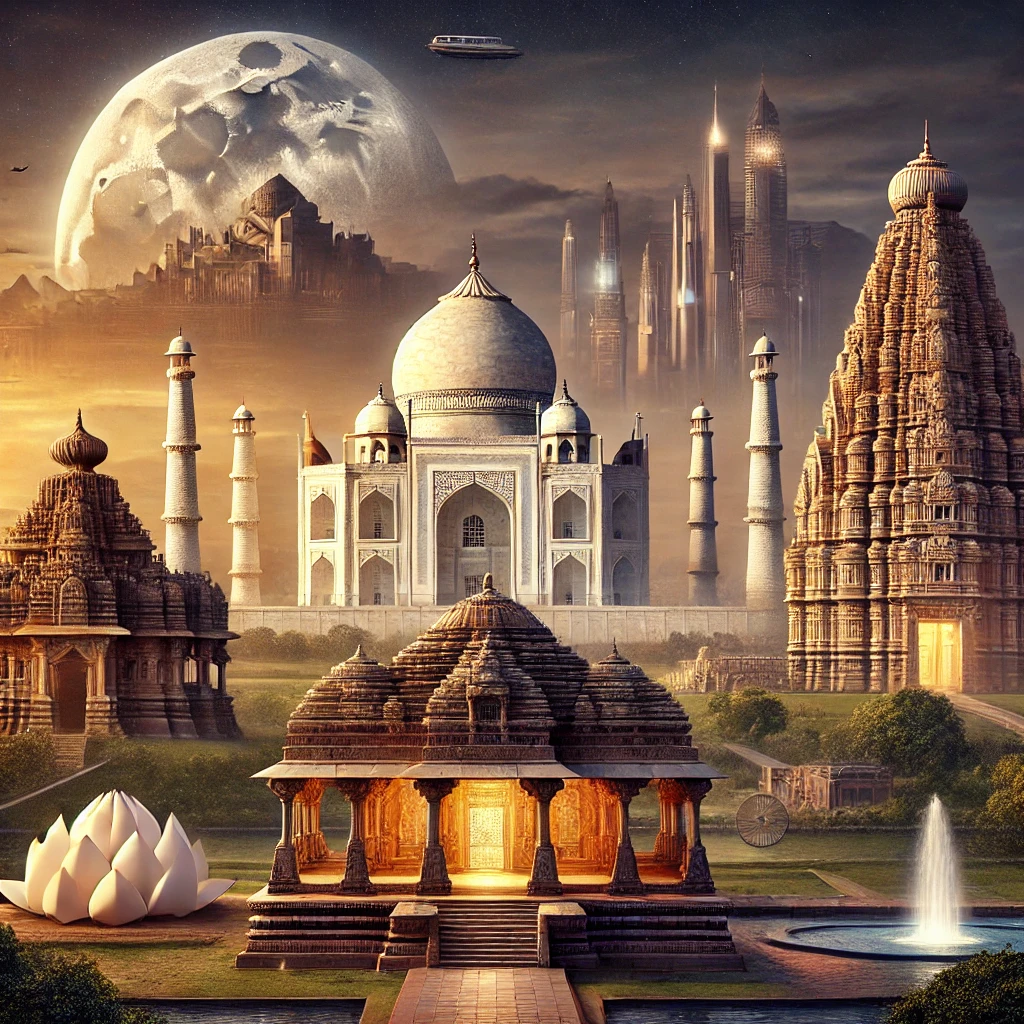
Many craft traditions adorn India's monuments and temples.
Discover India's rich artistic heritage through its diverse traditional art forms and crafts
Each art form tells a unique story of India's cultural heritage
Traditional folk art from Bihar characterized by geometric patterns and nature motifs
Exquisite handwoven shawls made from fine cashmere wool
Intricate metalwork and engraving techniques used to create decorative items
Classical South Indian painting style with rich colors and gold foil overlays
Metal handicraft with silver inlay work on a blackened base
Vibrant embroidery technique with floral motifs on shawls and garments
Traditional cloth-based scroll painting with rich colorful applications
Clay pottery crafted into decorative items and household utensils
Tribal art form using basic geometric shapes to depict daily life scenes
Delicate shadow-work embroidery technique on fine fabrics
Glazed pottery in vibrant blue and turquoise colors with Persian influences
Colorful enameling work on metal surfaces, especially jewelry
India's craft traditions form one of the world's richest living heritages. Many are GI-tagged, supporting millions of artisans across villages and towns.
Painting traditions include Madhubani (Bihar), Warli (Maharashtra), Pattachitra (Odisha), Tanjore and Mysore (south India), Phad (Rajasthan), Pichwai (Nathdwara) and Kalighat (Bengal). Each has its own iconography, palette and ritual purpose.
Crafts span blue pottery (Jaipur), bidri (Karnataka), Channapatna toys (Karnataka), Kondapalli toys (Andhra), brassware (Moradabad), bamboo of the North-East, Pashmina shawls (Kashmir) and the marble inlay (parchin kari) seen on the Taj Mahal.
GI-tagged crafts
90+
Major painting styles
15+
Artisan workforce
~7 million
Oldest known art
Bhimbetka rock paintings (~30,000 BCE)