Inventions
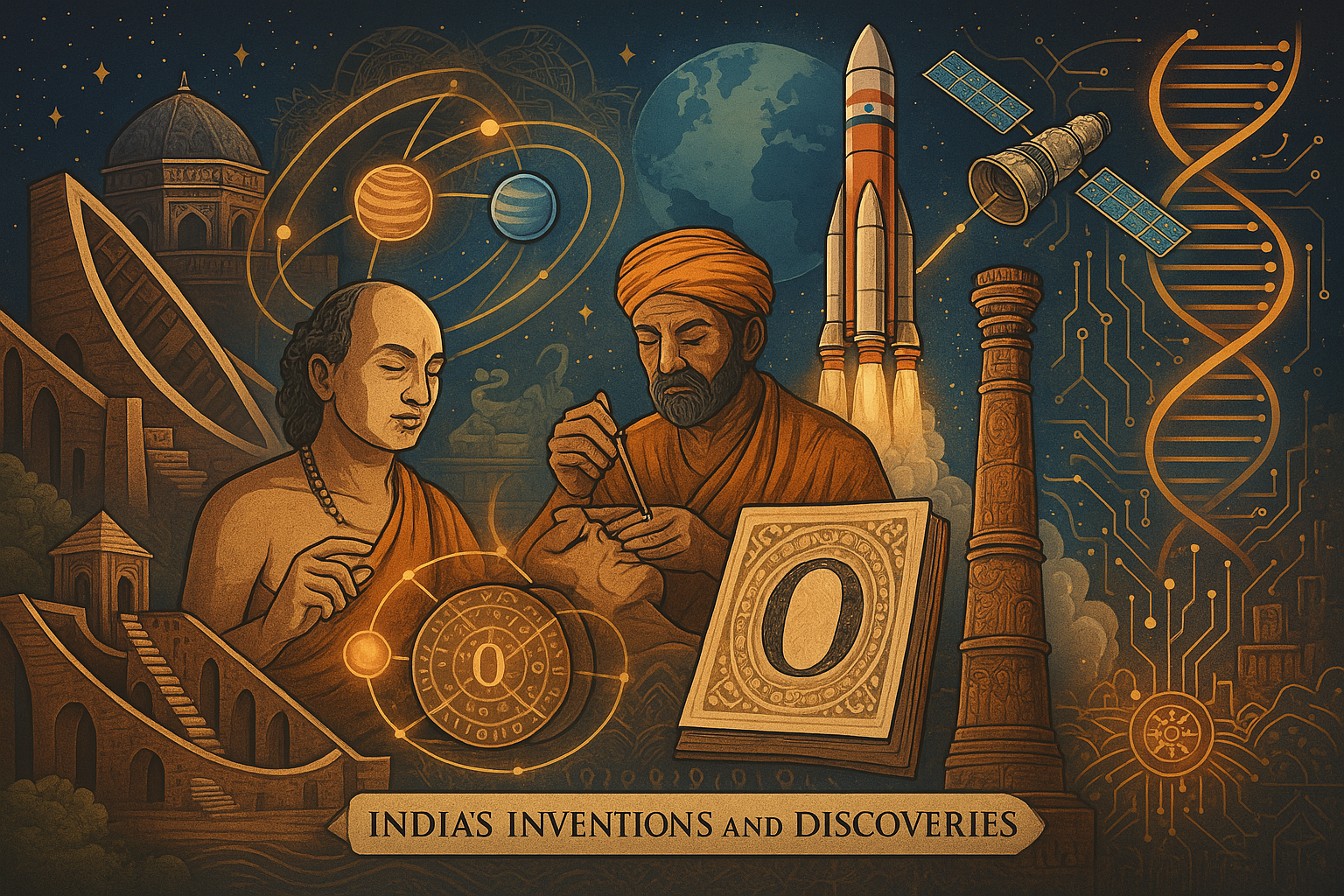
India's deep mathematical and astronomical heritage.
Discover India's remarkable journey to the stars, from pioneering astronauts to groundbreaking space missions and future aspirations.
From the first Indian in space to landing on the lunar south pole, India's space program has achieved remarkable milestones on the global stage.
Meet the brave individuals who have represented India in space exploration
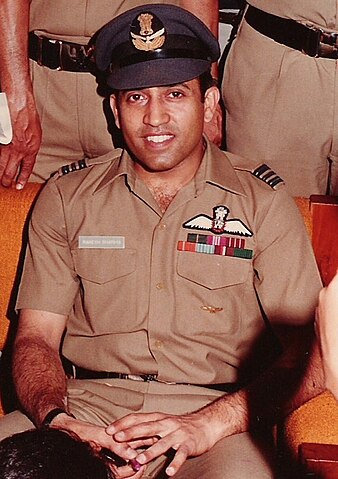
The first Indian citizen to enter space, Rakesh Sharma flew aboard the Soviet rocket Soyuz T-11 in 1984 as part of the Intercosmos program. When then Prime Minister Indira Gandhi asked him how India looked from space, he famously replied, 'Saare Jahan Se Achcha' (Better than the whole world).
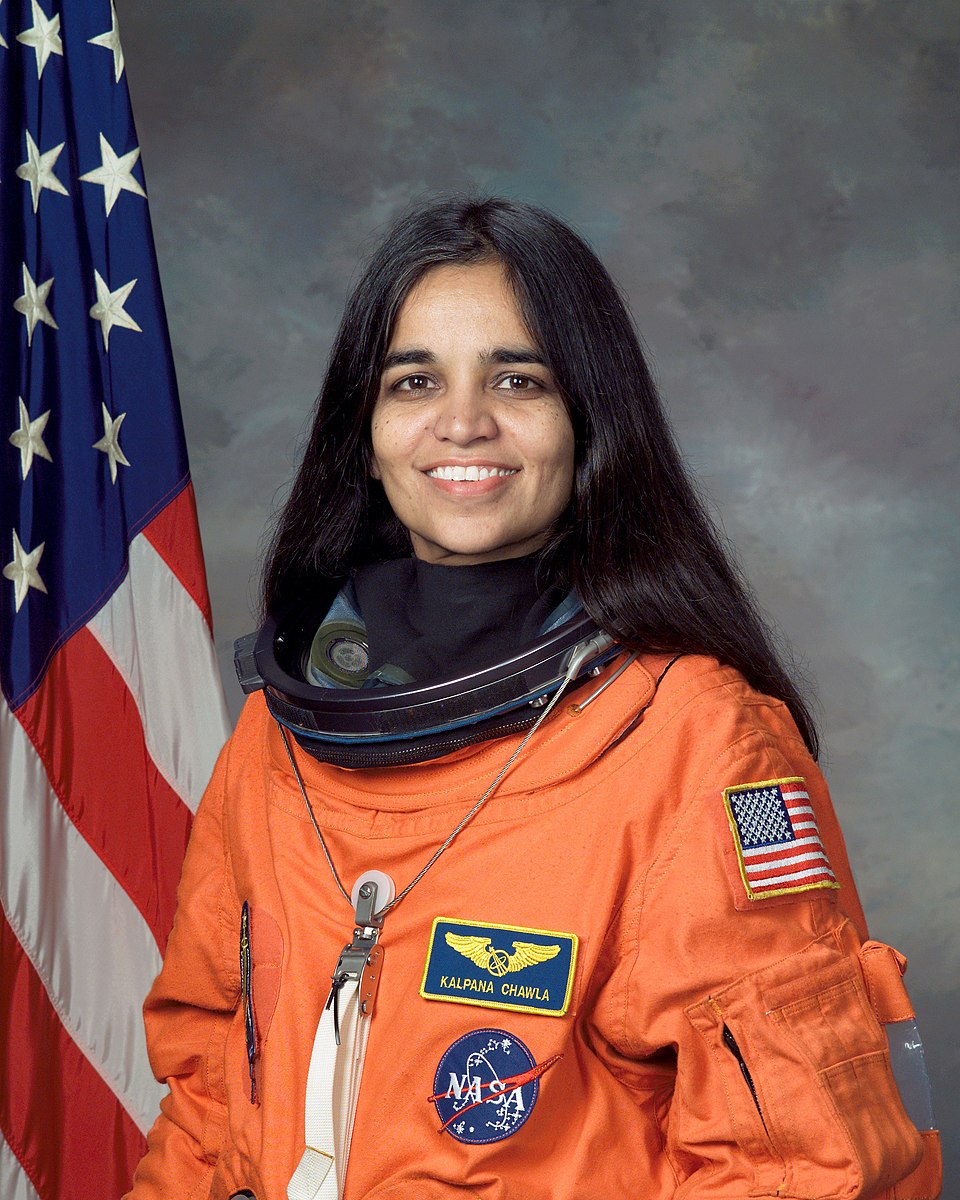
The first woman of Indian origin to go to space, Kalpana Chawla first flew on Space Shuttle Columbia in 1997. She tragically lost her life during her second mission when Columbia disintegrated upon re-entry into Earth's atmosphere in 2003. Her legacy continues to inspire millions of aspiring scientists and astronauts in India.
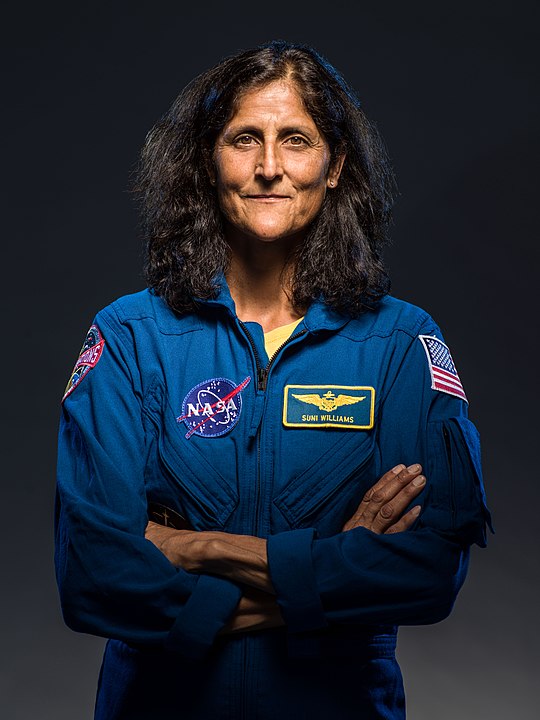
An American astronaut of Indian origin, Sunita Williams has spent a total of 322 days in space across multiple missions, which was a record for female space travelers at the time. She has conducted seven spacewalks totaling 50 hours and 40 minutes, and has run the Boston Marathon while in orbit.
An American astronaut of Indian descent, Raja Chari served as the commander of the NASA SpaceX Crew-3 mission to the International Space Station. Before becoming an astronaut, he was a U.S. Air Force fighter pilot and test pilot with over 2,500 hours of flight time.

The third Indian-origin woman to fly to space, Sirisha Bandla flew aboard Virgin Galactic's VSS Unity as a researcher in 2021. She conducted experiments for the University of Florida during her suborbital spaceflight. Born in Andhra Pradesh, she moved to the United States at a young age.
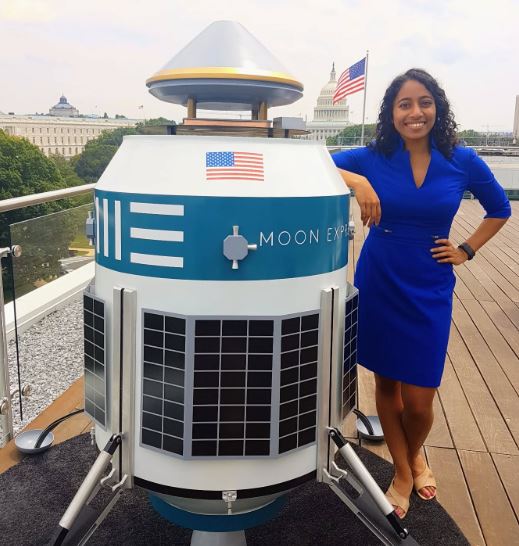
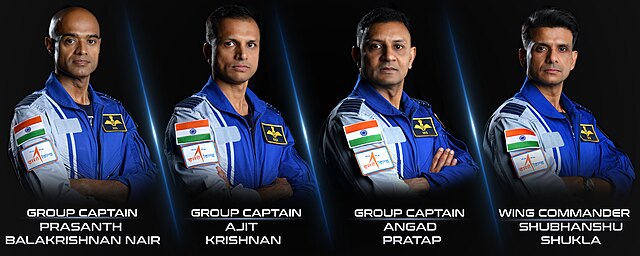
Four Indian Air Force pilots were selected for India's first human spaceflight program, Gaganyaan. They underwent training at Russia's Gagarin Cosmonaut Training Center. The Gaganyaan mission aims to demonstrate India's capability to send humans to low Earth orbit and bring them back safely.
Explore India's groundbreaking space missions and achievements
India's first lunar probe, Chandrayaan-1, was launched by ISRO in October 2008. The mission included an orbiter and an impactor. One of its most significant achievements was the discovery of water molecules on the lunar surface, changing our understanding of the Moon.
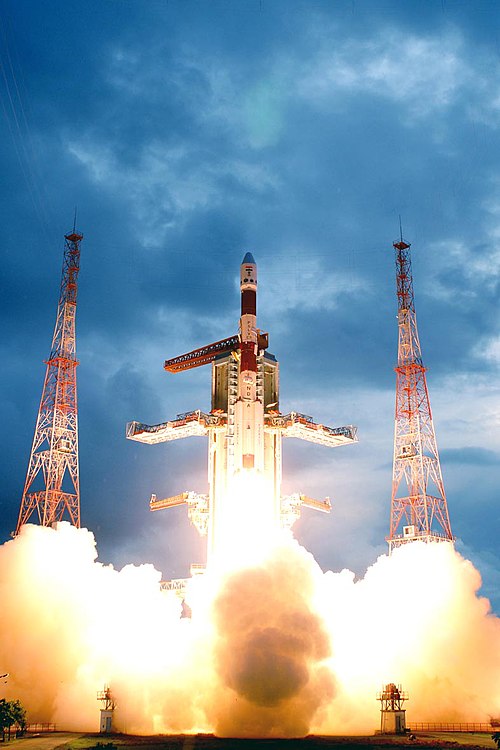
India's first interplanetary mission, Mangalyaan, made history when it reached Mars orbit in 2014, making ISRO the fourth space agency to reach Mars and the first to do so on its maiden attempt. The mission was notable for its cost-effectiveness, completed at a fraction of the cost of similar missions.
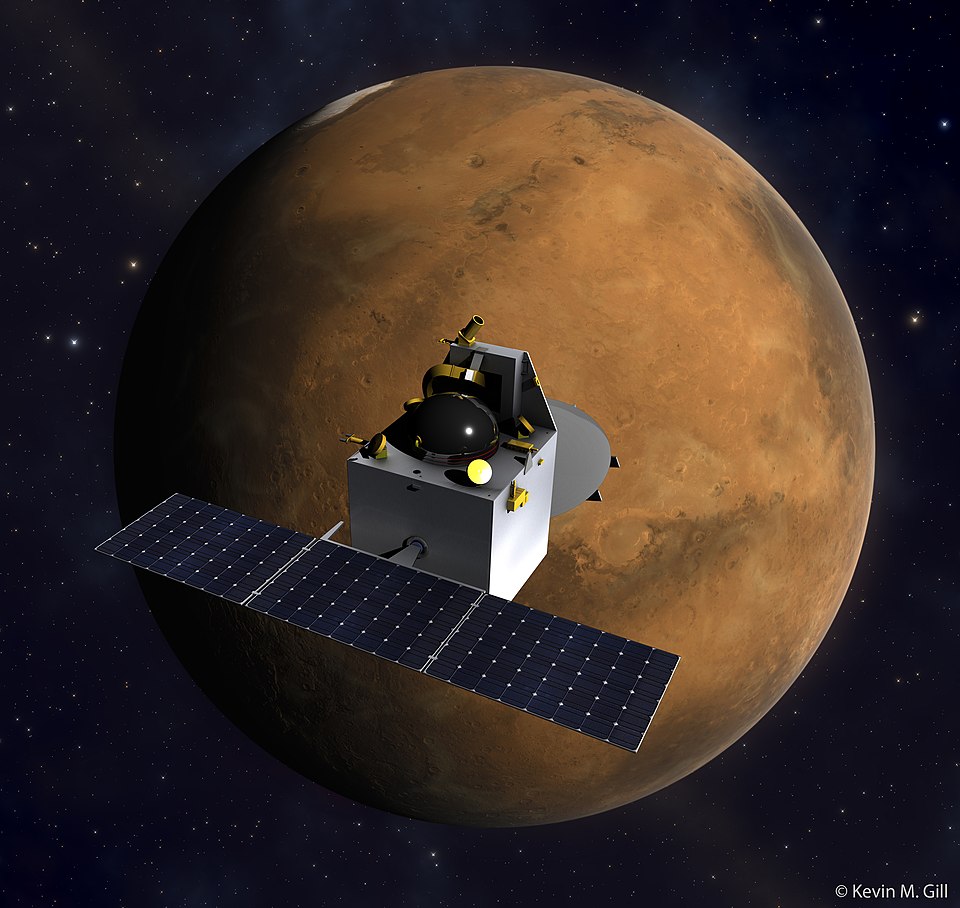
Chandrayaan-2 was India's second lunar exploration mission, consisting of an orbiter, lander (Vikram), and rover (Pragyan). While the lander deviated from its intended trajectory during its descent and lost communication, the orbiter continues to function and send valuable data about the lunar surface.
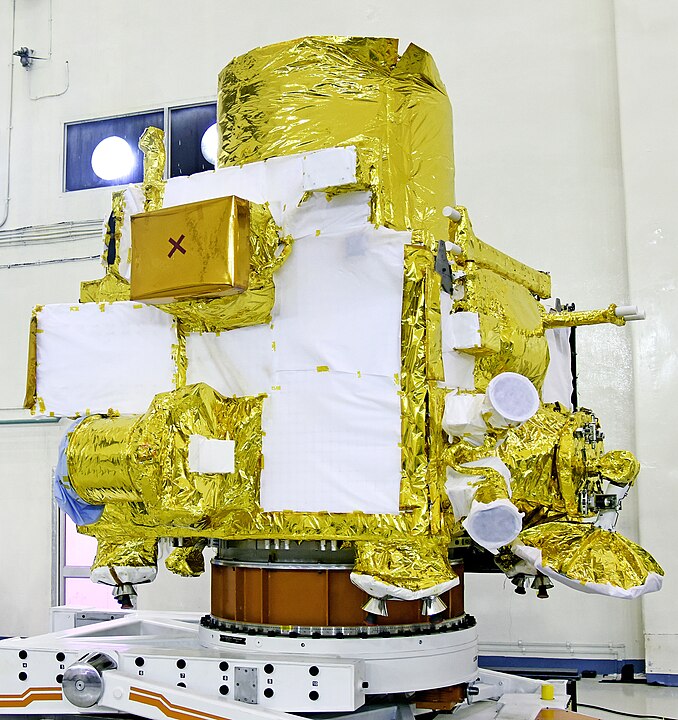
Chandrayaan-3 marked a historic achievement for India as it successfully soft-landed on the Moon's south polar region on August 23, 2023. This made India the fourth country to achieve a soft landing on the Moon and the first to land near the lunar south pole, a region of significant scientific interest due to the potential presence of water ice.
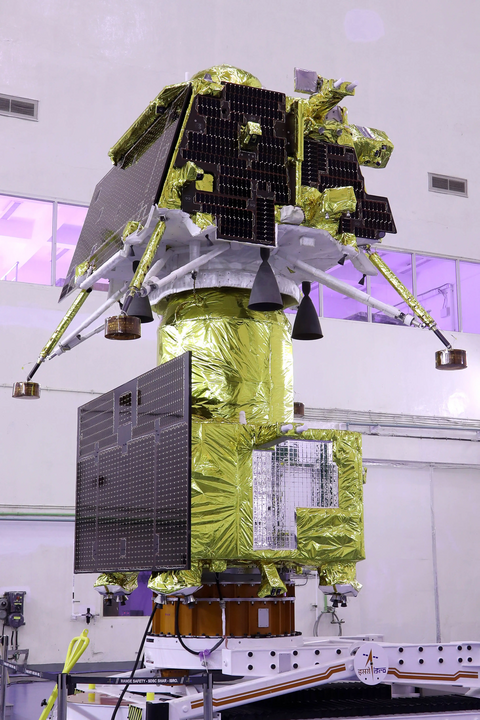
Aditya-L1 is India's first space-based solar observatory, launched in September 2023. Positioned at the Lagrangian point L1 (about 1.5 million km from Earth), it studies the Sun's photosphere, chromosphere, and corona. The mission aims to provide insights into solar activities and their impact on space weather.
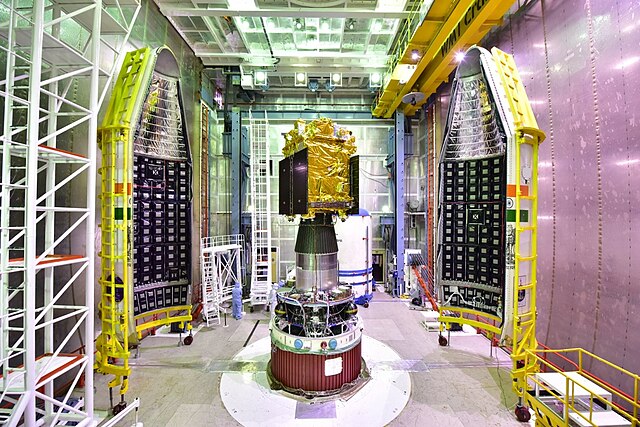
India's ambitious plans for its own space station
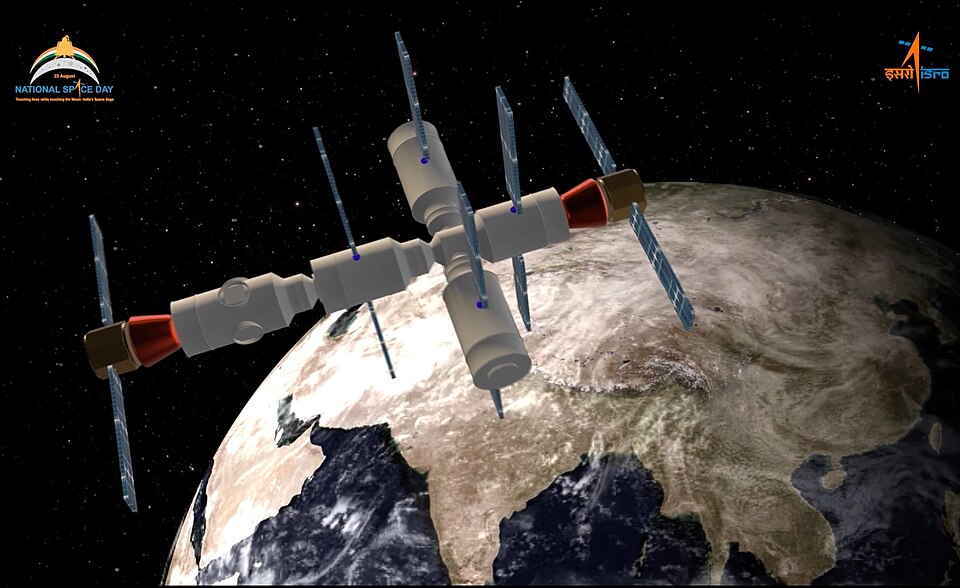
The Bharatiya Antariksh Station (Indian Space Station) is a planned space station to be deployed in low Earth orbit as a successor to the Gaganyaan program. Expected to be operational by 2035, it will serve as a platform for conducting microgravity experiments, Earth observation, and as a staging post for future deep space missions.
India's ambitious plans for the future of space exploration
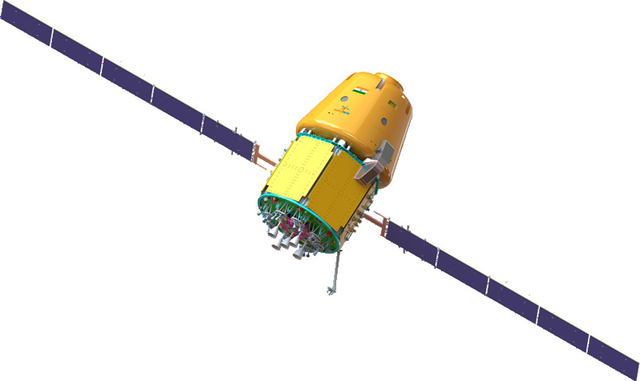
Gaganyaan is India's first human spaceflight program, aiming to send astronauts to low Earth orbit. The mission will demonstrate India's capability to send humans to space and bring them back safely. The spacecraft is designed to carry three astronauts and orbit Earth at an altitude of 400 km for up to seven days.
Formation of ISRO under the leadership of Dr. Vikram Sarabhai
Launch of India's first satellite, Aryabhata
Rakesh Sharma becomes the first Indian to travel to space
Launch of Chandrayaan-1, India's first lunar probe
Mars Orbiter Mission (Mangalyaan) successfully enters Mars orbit
ISRO sets world record by launching 104 satellites in a single mission
Launch of Chandrayaan-2 with orbiter, lander, and rover
Chandrayaan-3 successfully lands on the lunar south pole
Launch of Aditya-L1, India's first solar observatory
India's space programme has gone from a 1960s rocket launchpad in a fishing village to landing on the Moon's south pole. ISRO is one of the most cost-effective space agencies in the world.
The Indian Space Research Organisation (ISRO) was founded in 1969 under Vikram Sarabhai. India launched its first satellite, Aryabhata, in 1975. The Mars Orbiter Mission (Mangalyaan, 2014) made India the first country to reach Mars on its first attempt — and at a fraction of NASA's budget.
Chandrayaan-3 in 2023 made India the first country to soft-land near the Moon's south pole. Gaganyaan, India's first crewed orbital mission, is scheduled for the coming years. ISRO has also opened space to private players through IN-SPACe and a thriving NewSpace startup ecosystem.
First Indian satellite
Aryabhata, 1975
Mars Orbiter cost
~₹450 crore
Chandrayaan-3 landing
23 Aug 2023, Moon south pole
Crewed mission planned
Gaganyaan