Epics & Sattology
The Bhagavad Gita, Ramayana, Mahabharata and the Vedas.
Explore India's rich spiritual heritage and the ancient practice of yoga that has transformed lives around the world.
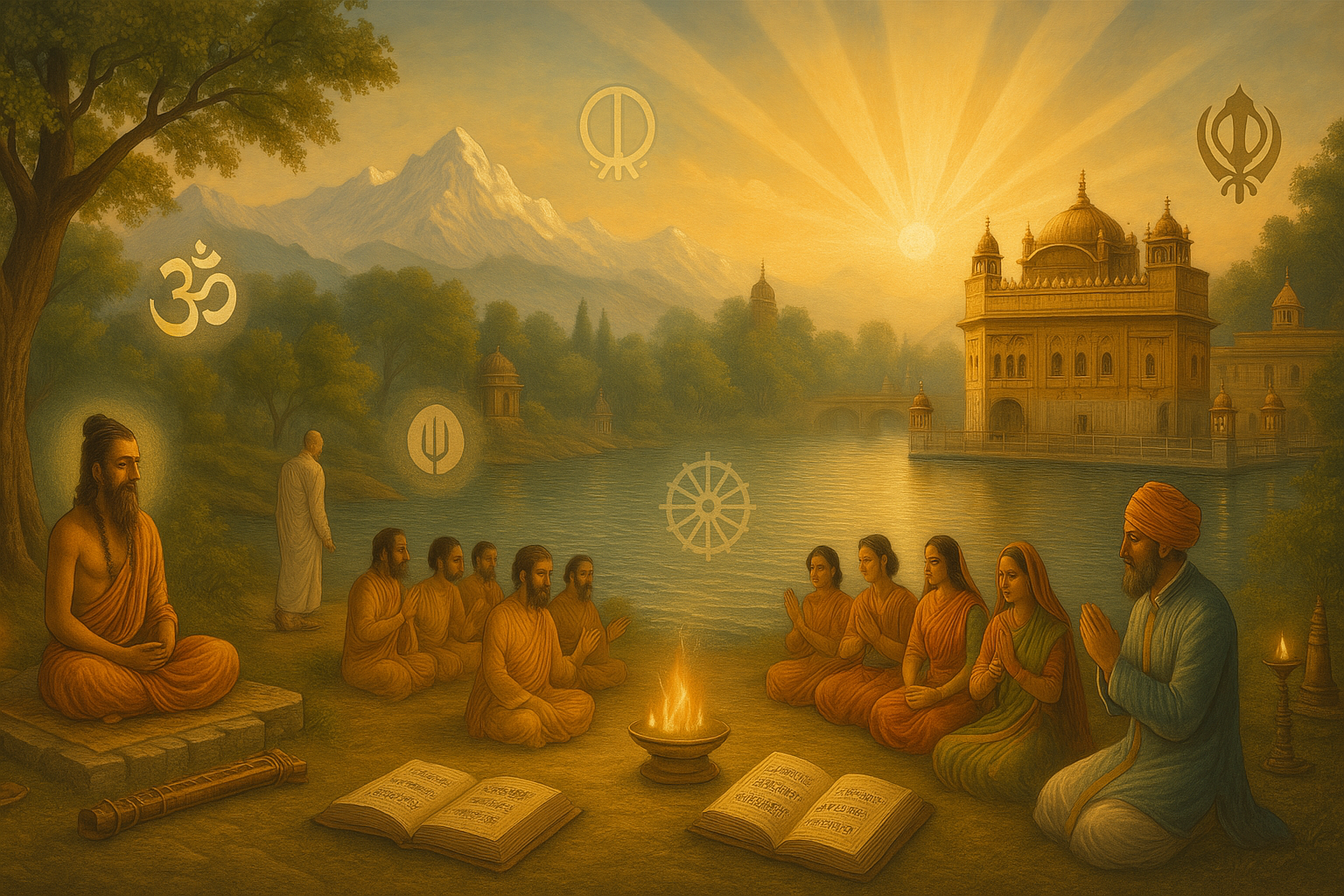
India has been the birthplace of several major world religions and spiritual traditions, including Hinduism, Buddhism, Jainism, and Sikhism. For thousands of years, spiritual seekers have explored the fundamental questions of human existence through various philosophical schools, meditation practices, and devotional paths.
What makes India's spiritual heritage unique is its diversity and inclusivity. From the philosophical inquiries of the Upanishads to the devotional fervor of the Bhakti movement, from the rigorous discipline of yoga to the compassionate teachings of Buddhism, India offers multiple pathways to spiritual growth and self-realization, accommodating different temperaments and aspirations.
An ancient physical, mental, and spiritual practice that originated in India, aiming to unite the individual consciousness with the universal consciousness.
A set of techniques intended to encourage a heightened state of awareness and focused attention, practiced in various spiritual traditions of India.
One of the six orthodox schools of Hindu philosophy, focusing on the ultimate nature of reality and the identity of the individual self with the universal self.
A dharmic religion centered on the belief in Buddha and his teachings. It originated in ancient India and emphasizes personal spiritual development.
An ancient Indian religion that prescribes a path of non-violence towards all living beings and emphasizes spiritual independence and equality.
A traditional system of medicine with historical roots in the Indian subcontinent, emphasizing balance in bodily systems using diet, herbal treatment, and yogic breathing.
A devotional movement that originated in South India and spread throughout the subcontinent, emphasizing personal devotion to a chosen deity.
A religion that originated in the Punjab region of South Asia, founded on the teachings of Guru Nanak and nine successive gurus.
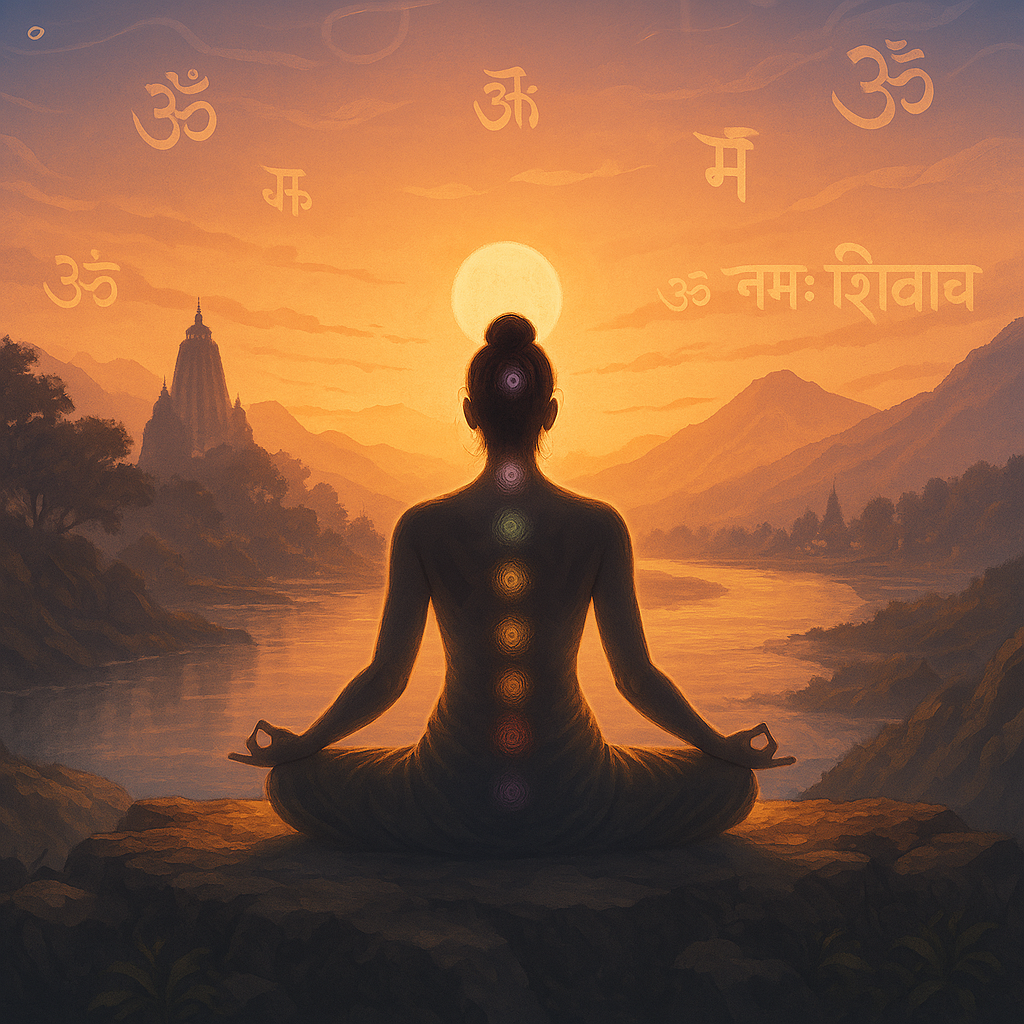
Yoga, derived from the Sanskrit word "Yuj" meaning to unite, is an ancient practice that originated in India over 5,000 years ago. It aims to harmonize the body, mind, and spirit through various physical postures (asanas), breathing techniques (pranayama), and meditation.
The classical text on yoga, Patanjali's Yoga Sutras, outlines the eight limbs of yoga: Yama (ethical standards), Niyama (self-discipline), Asana (postures), Pranayama (breath control), Pratyahara (withdrawal of senses), Dharana (concentration), Dhyana (meditation), and Samadhi (enlightenment).
Today, yoga has gained worldwide popularity as a holistic approach to physical and mental well-being. While many practice yoga primarily for its physical benefits, its deeper purpose remains spiritual growth and self-realization.
Improves posture, strengthens thighs, knees, and ankles
Improves balance and stability, strengthens legs and core
Stretches and strengthens the thighs, knees, and ankles
Strengthens the legs and core, improves focus and stability
Stretches the hamstrings, shoulders, calves, arches, hands, and spine
Strengthens the spine, stretches chest and lungs, shoulders, and abdomen
Meditation is a practice where an individual uses techniques such as mindfulness or focusing the mind on a particular object, thought, or activity to train attention and awareness, and achieve a mentally clear and emotionally calm and stable state.
India has contributed various meditation techniques to the world, including:
The traditional meditation practice described in Hindu texts, involving concentration and contemplation.
A Buddhist meditation technique that involves observing bodily sensations and thoughts without reaction.
A technique that involves the use of a mantra and is practiced for 15-20 minutes twice per day while sitting with eyes closed.
A practice aimed at awakening the kundalini energy believed to be located at the base of the spine.
Scientific research has shown that regular meditation practice can reduce stress, anxiety, and depression, improve concentration and attention, enhance self-awareness, and promote emotional health and well-being.
India is the birthplace of Hinduism, Buddhism, Jainism and Sikhism, and home to ancient communities of every other major faith. Its spiritual heritage includes yoga, meditation, Ayurveda and a vast philosophical literature.
Yoga, codified by Patanjali in the Yoga Sutras (~400 CE), describes an eight-limbed path (ashtanga) that integrates ethics, breath, posture, meditation and self-realisation. Ayurveda is India's 3,000-year-old system of holistic medicine, focusing on balance among three bio-energies (doshas).
Hindu philosophy spans six classical schools (darshanas), the Bhagavad Gita and the Upanishads. Buddhism teaches the Four Noble Truths and Eightfold Path. Jainism's ahimsa (non-violence) profoundly shaped Indian thought. Sikhism, founded by Guru Nanak in the 15th century, emphasises one God, equality and seva (selfless service).
Religions born in India
4 major
Ayurveda age
~3,000 years
Yoga UNESCO listing
2016
Bhagavad Gita verses
700