
Pairing
Festivals & Their Foods
Every Indian festival has signature dishes — modak for Ganesh Chaturthi, sweets for Diwali, biryani for Eid. Learn what to eat when.
Explore the rich tapestry of flavors, aromas, and culinary traditions that make Indian cuisine one of the most diverse and beloved in the world.
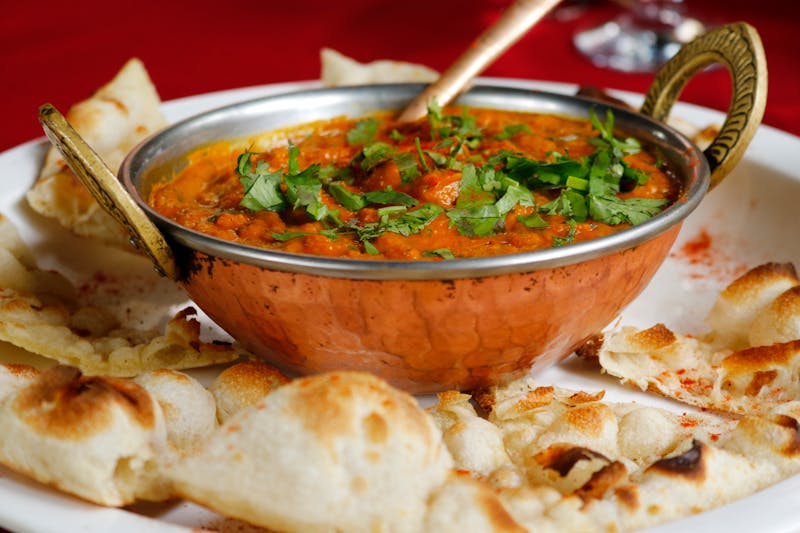
From the fiery curries of the south to the aromatic biryanis of the north, Indian cuisine reflects the country's rich history and cultural diversity.
Discover the signature dishes that represent the diverse culinary landscape of India
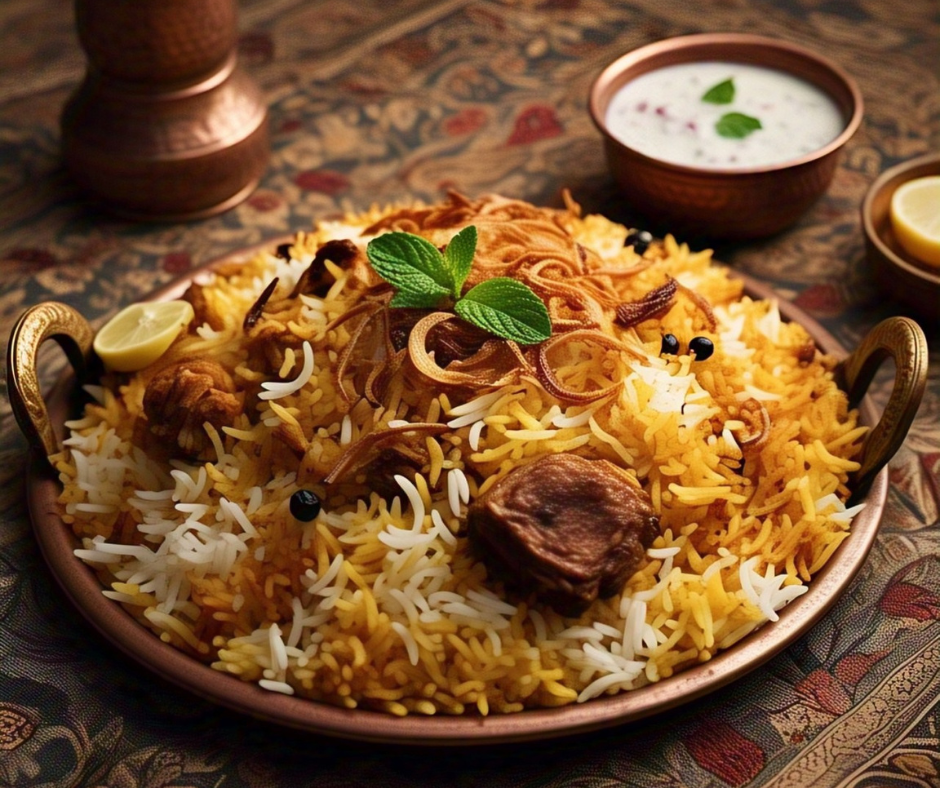
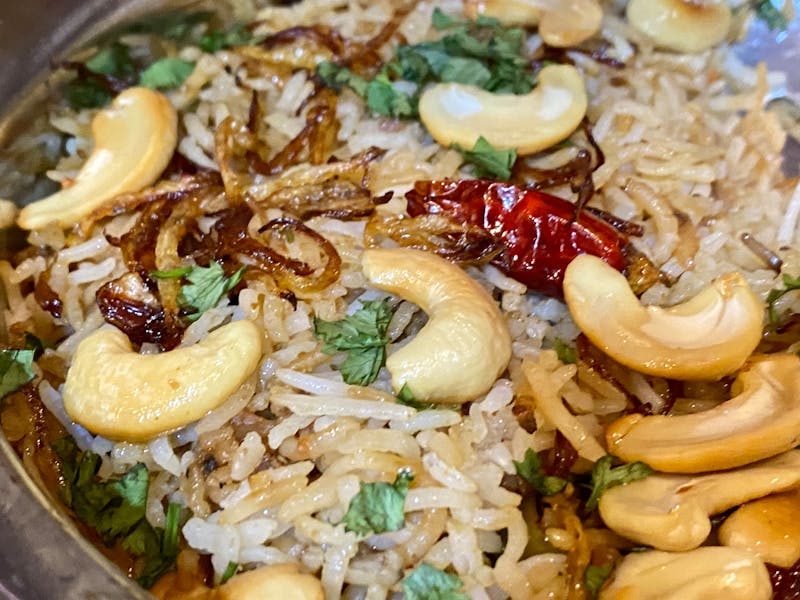
A fragrant rice dish cooked with spices and meat or vegetables. Each region in India has its own variation, from Hyderabadi to Lucknowi to Kolkata Biryani.
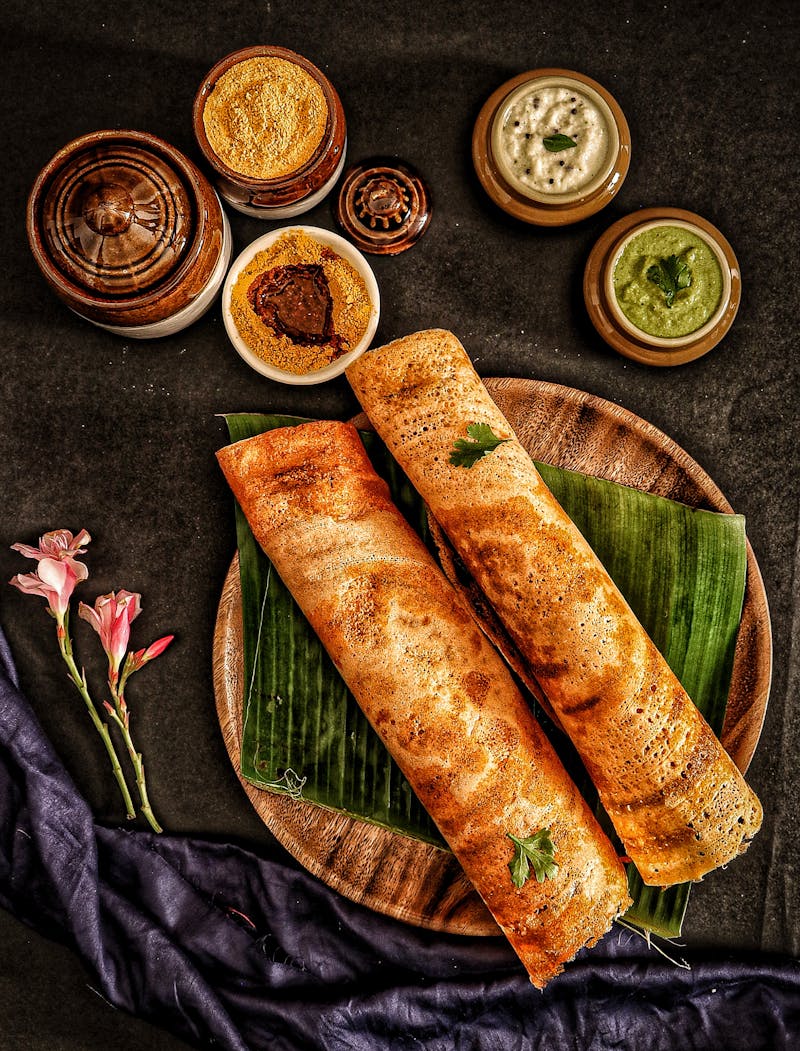
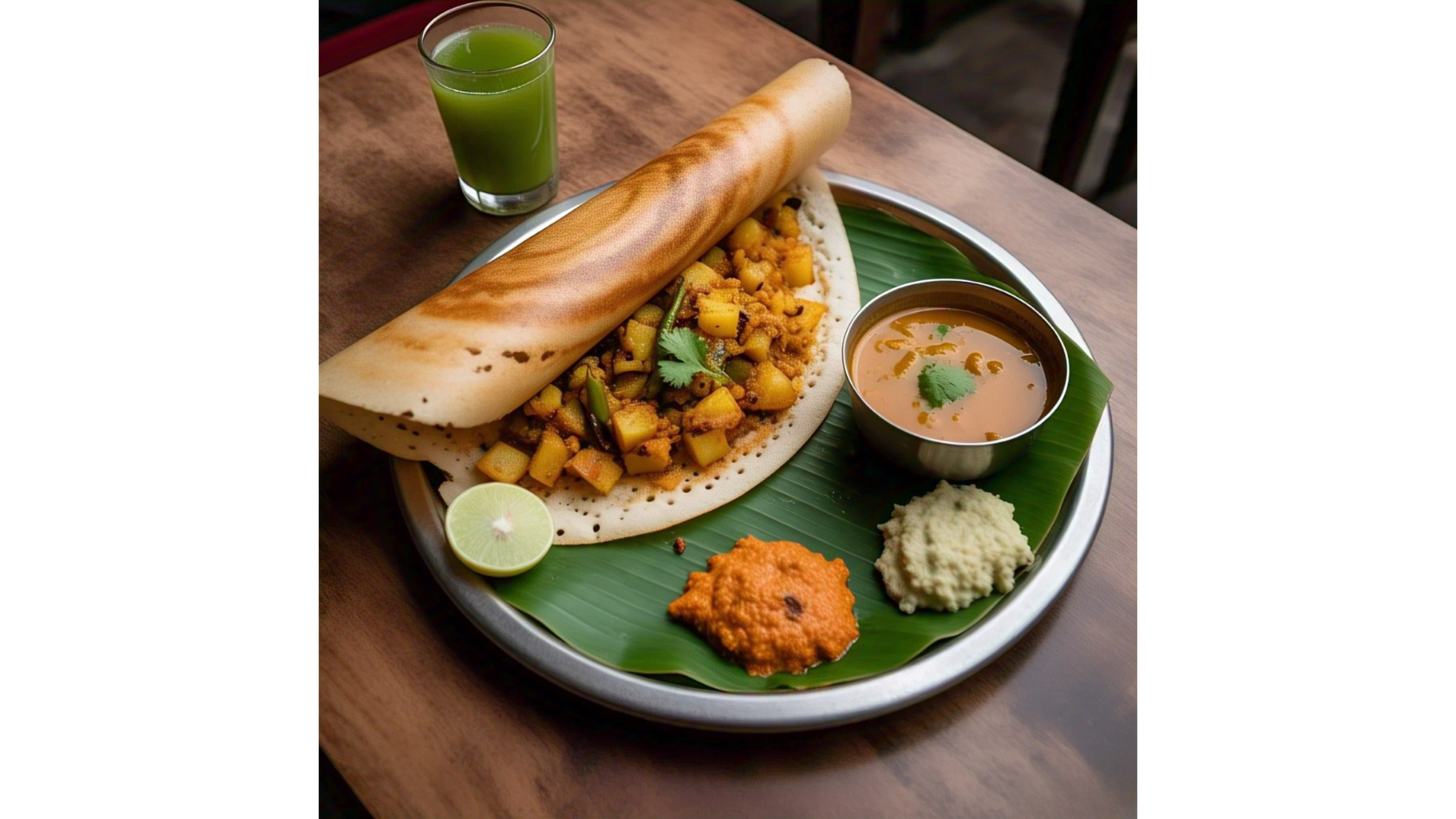
A thin, crispy crepe made from fermented rice and lentil batter. Often served with sambar and various chutneys.
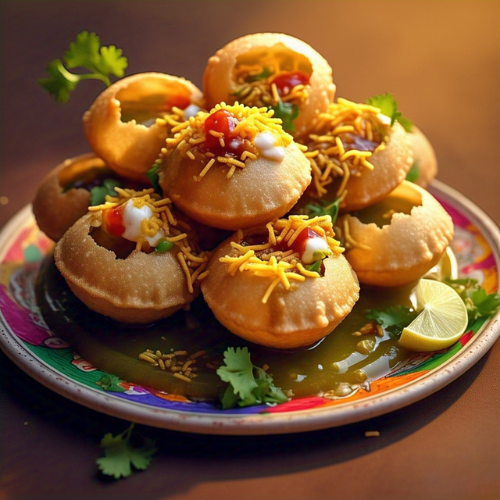
A popular street food consisting of hollow crisp fried dough balls filled with spicy, tangy water, tamarind chutney, and various fillings.
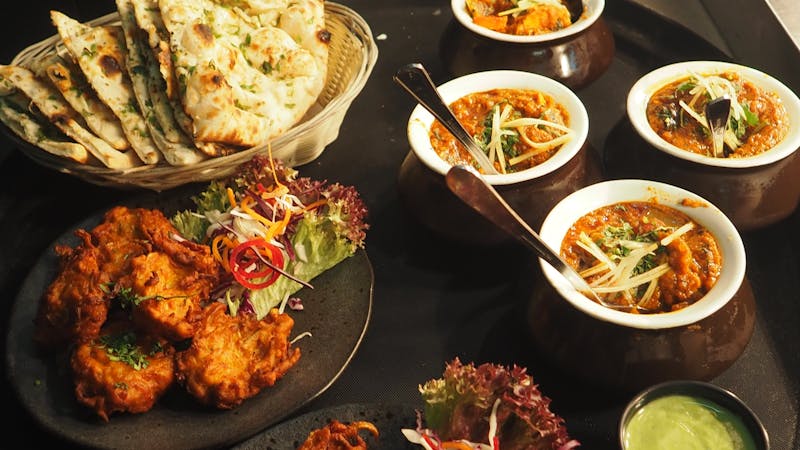
A complete meal with a variety of dishes served on a platter, including dal baati churma, gatte ki sabzi, and ker sangri.
Famous desserts like rasgulla, sandesh, and mishti doi that showcase the rich culinary heritage of Bengal.
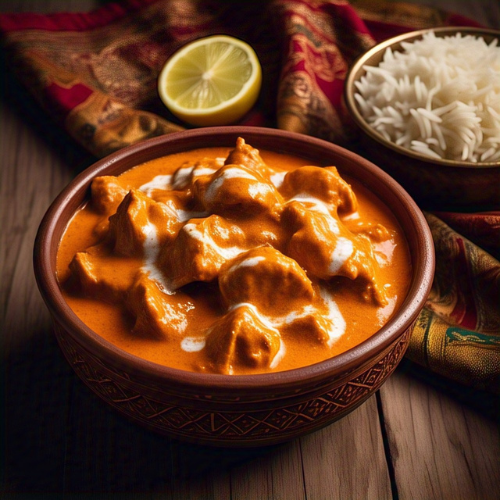
A rich, creamy curry made with tender chicken pieces in a tomato, butter, and cream sauce. A popular North Indian dish loved worldwide.
A variation of dosa filled with a spiced potato mixture, served with coconut chutney and sambar.
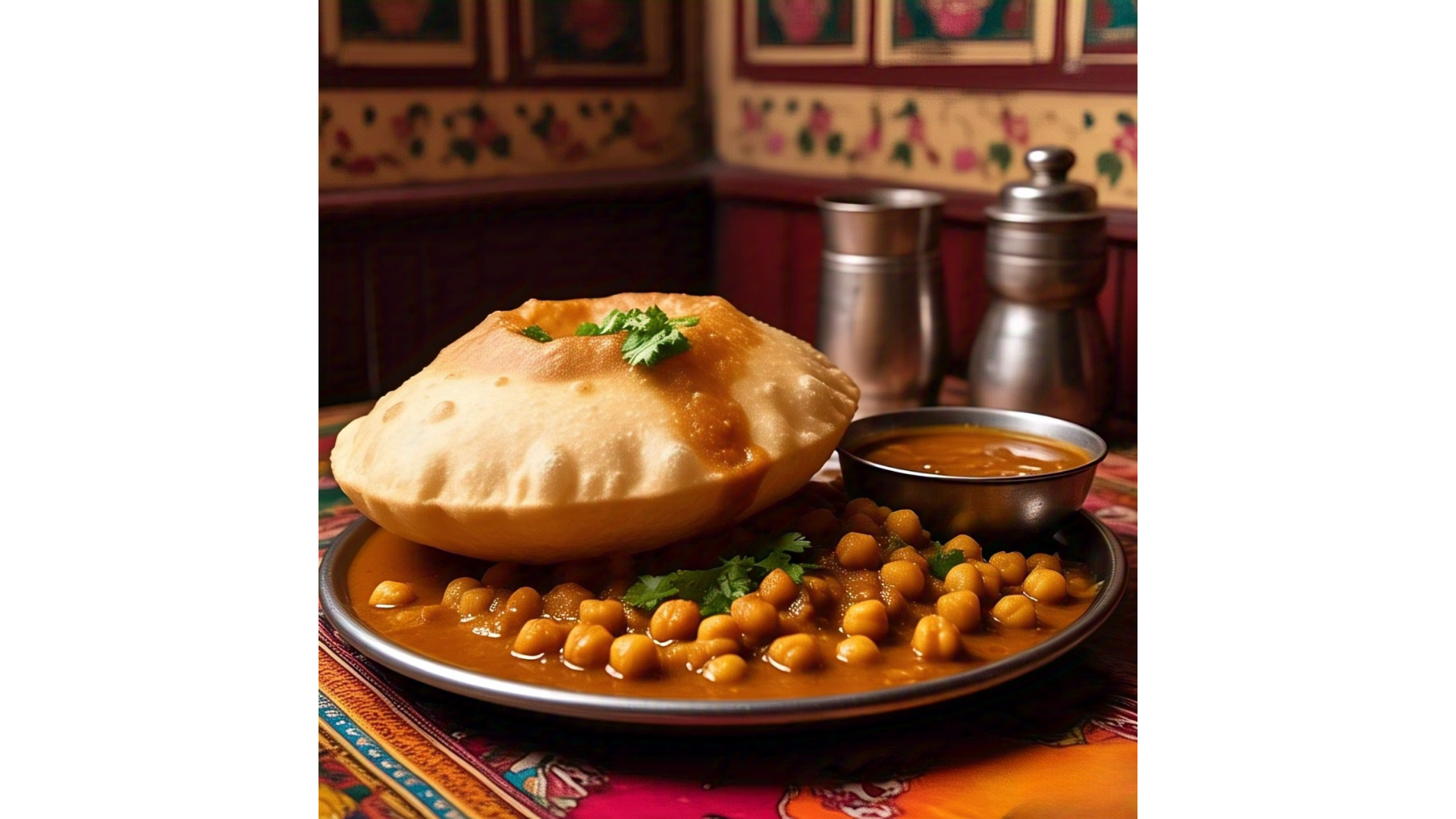
A combination of spicy chickpea curry (chole) and fried bread (bhature), popular as a breakfast or lunch dish.
Explore the aromatic spices that form the foundation of Indian cuisine
A bright yellow spice with anti-inflammatory properties, essential in most Indian dishes.
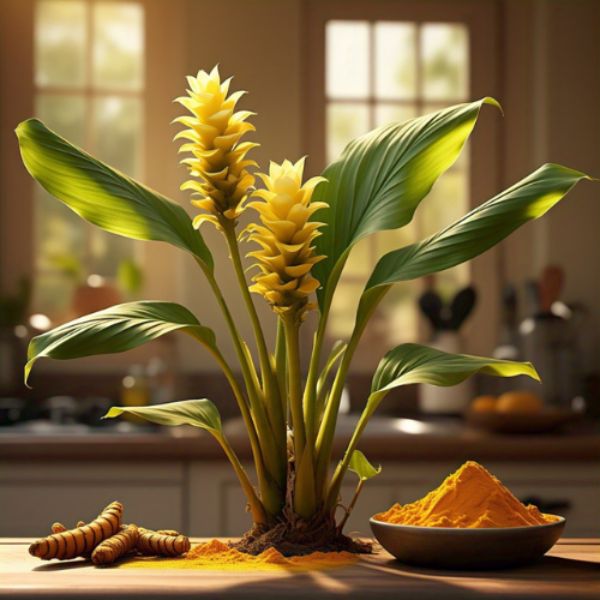
Curries, rice dishes, medicinal purposes
Aromatic pods used in both sweet and savory dishes, often called the "Queen of Spices".
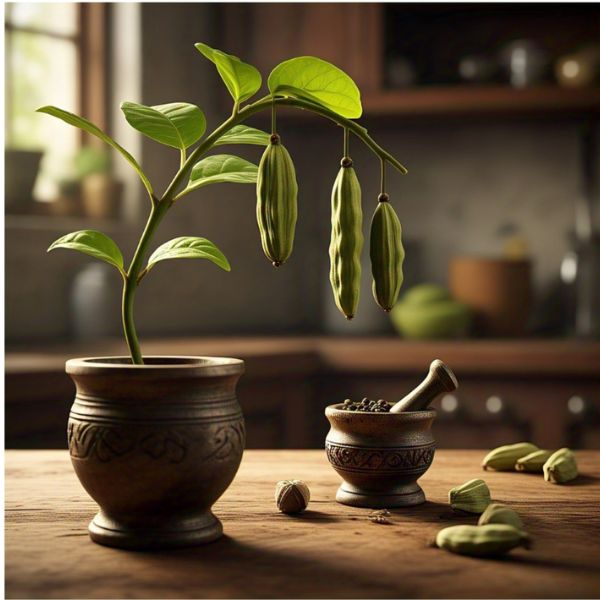
Biryanis, desserts, chai (tea)
Earthy, nutty seeds that form the base of many Indian dishes.
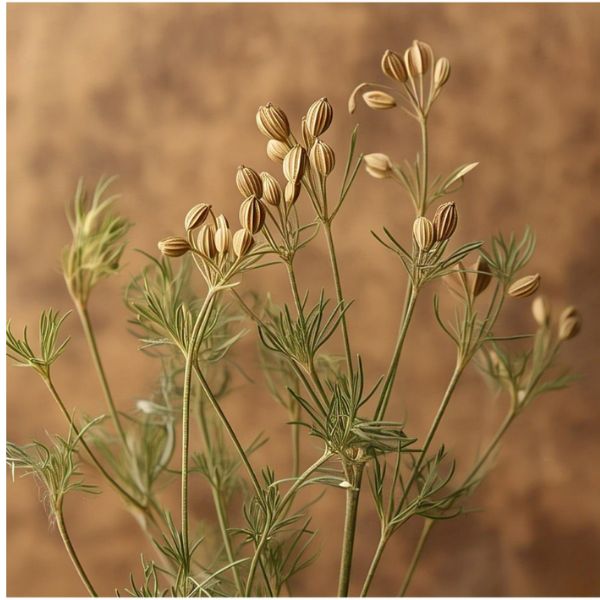
Tempering, curry powders, rice dishes
Adds heat and color to dishes, used both whole and ground.
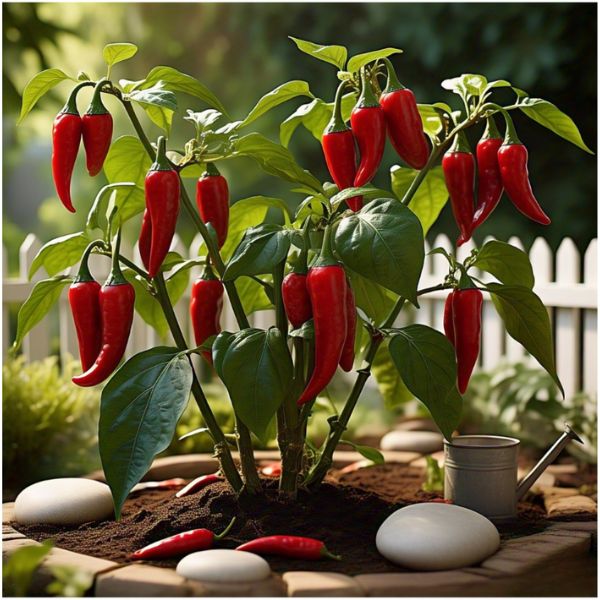
Curries, pickles, spice blends
A warming spice blend that varies by region and family recipes.
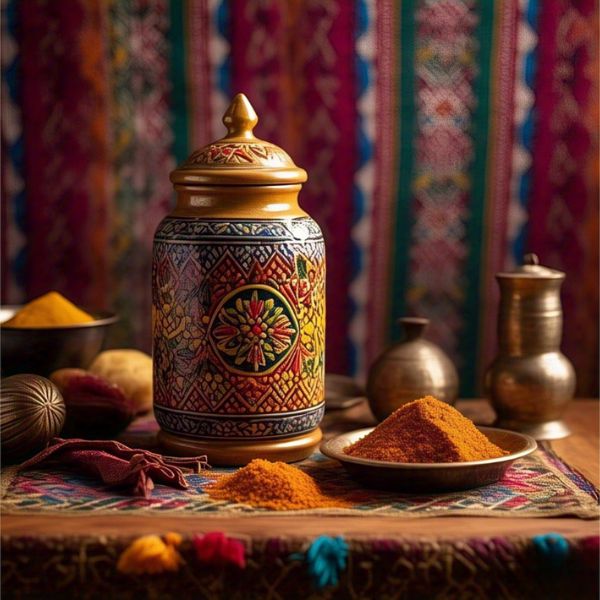
Added at the end of cooking to enhance flavor
Seeds with a citrusy flavor when ground, used in many spice blends.
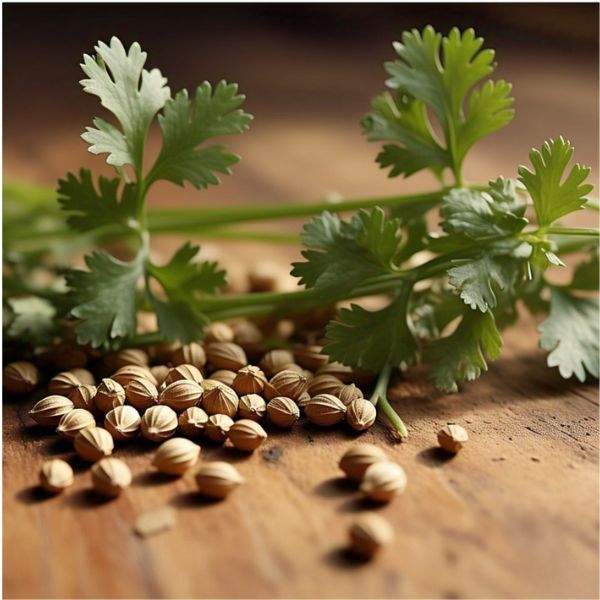
Curry powders, garam masala, chutneys
Small seeds that pop when heated in oil, releasing a nutty flavor.
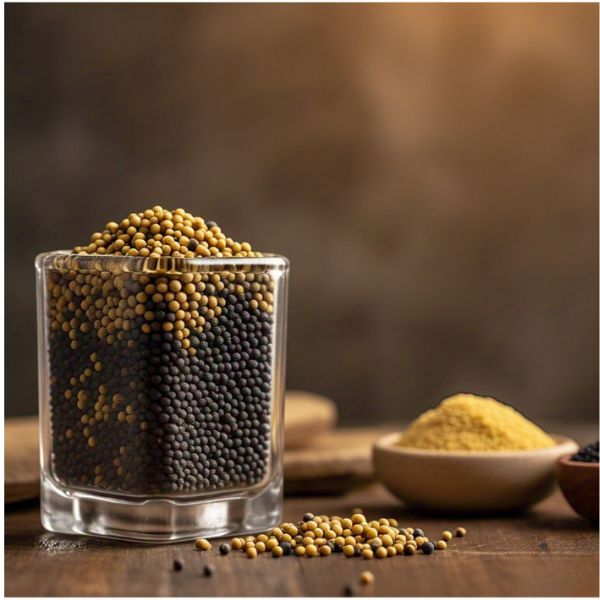
Tempering, pickles, curries
Bitter seeds and leaves with a maple-like aroma when cooked.
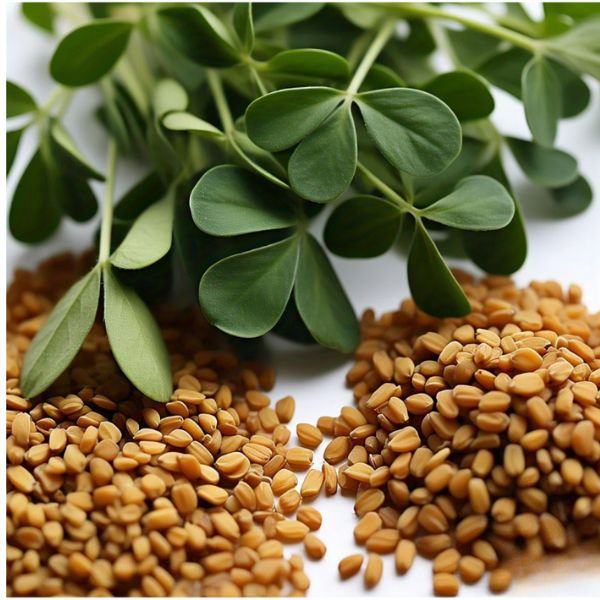
Curries, breads, pickles
Known for its rich, creamy curries, tandoori dishes, and variety of breads like naan and roti. Dairy products like ghee, paneer, and cream are extensively used. Popular dishes include butter chicken, chole bhature, and various kebabs.
Characterized by rice-based dishes, lentils, and the extensive use of coconut and tamarind. Known for dosas, idlis, sambar, and rasam. The cuisine tends to be spicier and uses more curry leaves and mustard seeds in tempering.
Features fish and rice as staples, with Bengali cuisine being particularly notable for its subtle flavors and sweet-savory balance. Famous for fish curries, mishti doi (sweet yogurt), and various sweets like rasgulla and sandesh.
Includes Gujarati, Maharashtrian, and Goan cuisines. Gujarati cuisine is predominantly vegetarian with a slight sweetness, while Goan cuisine features seafood and coconut. Popular dishes include dhokla, pav bhaji, and vindaloo.
The methods that bring out the distinctive flavors of Indian cuisine
A technique where spices are briefly fried in hot oil or ghee to release their essential oils and enhance their flavors before being added to a dish, either at the beginning or end of cooking.
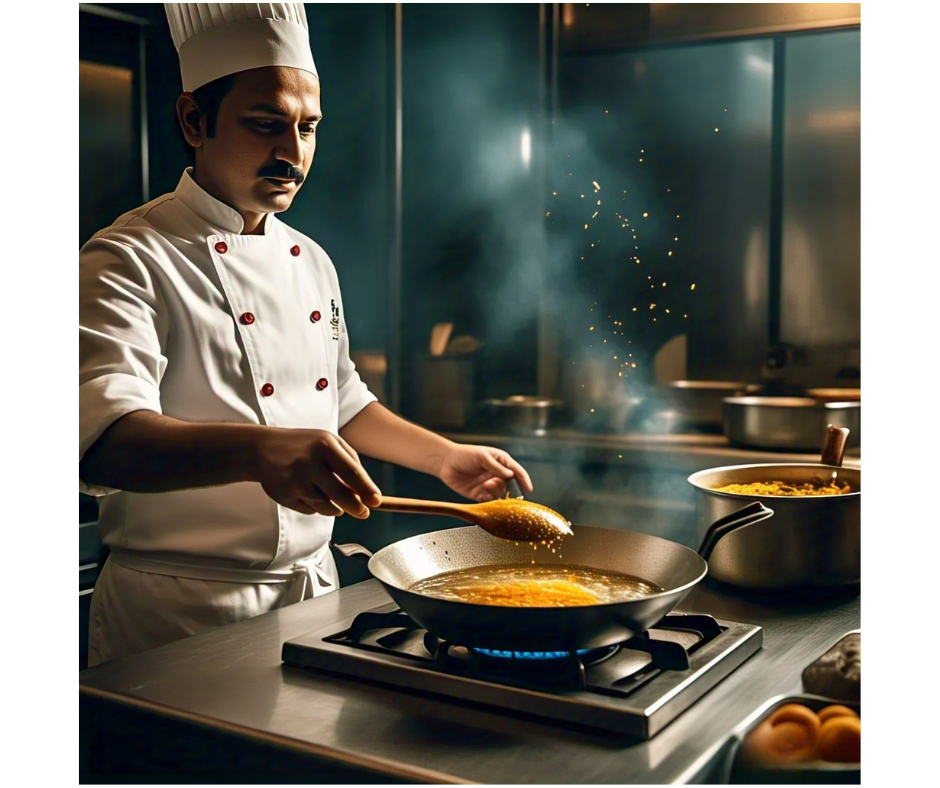
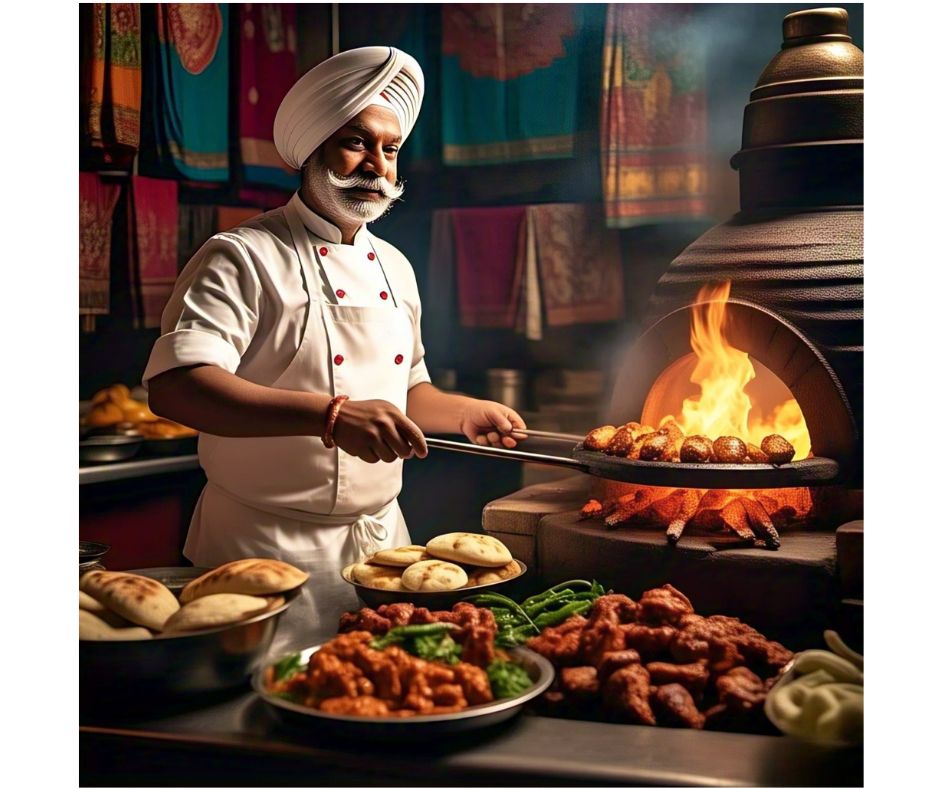
A method using a clay oven called a tandoor, which reaches extremely high temperatures. Meats, breads, and vegetables cooked in a tandoor develop a distinctive smoky flavor and char that is characteristic of North Indian cuisine.
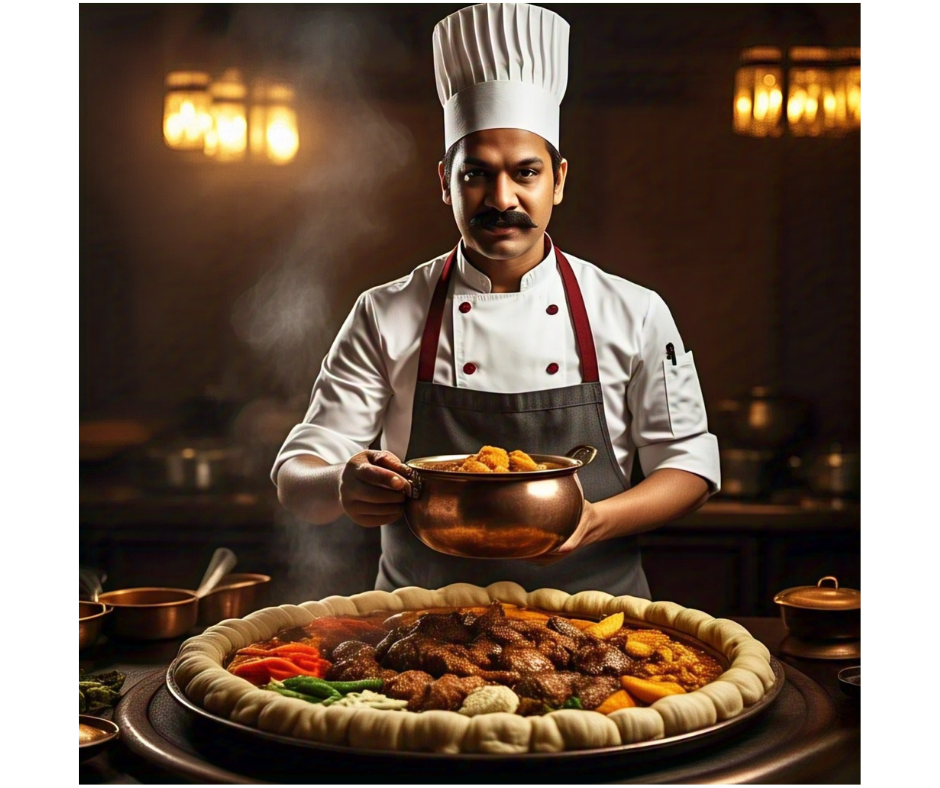
A slow-cooking technique where food is placed in a pot sealed with dough and cooked over a low flame, allowing the ingredients to cook in their own juices and steam. This method is used for biryanis and certain rich curries.
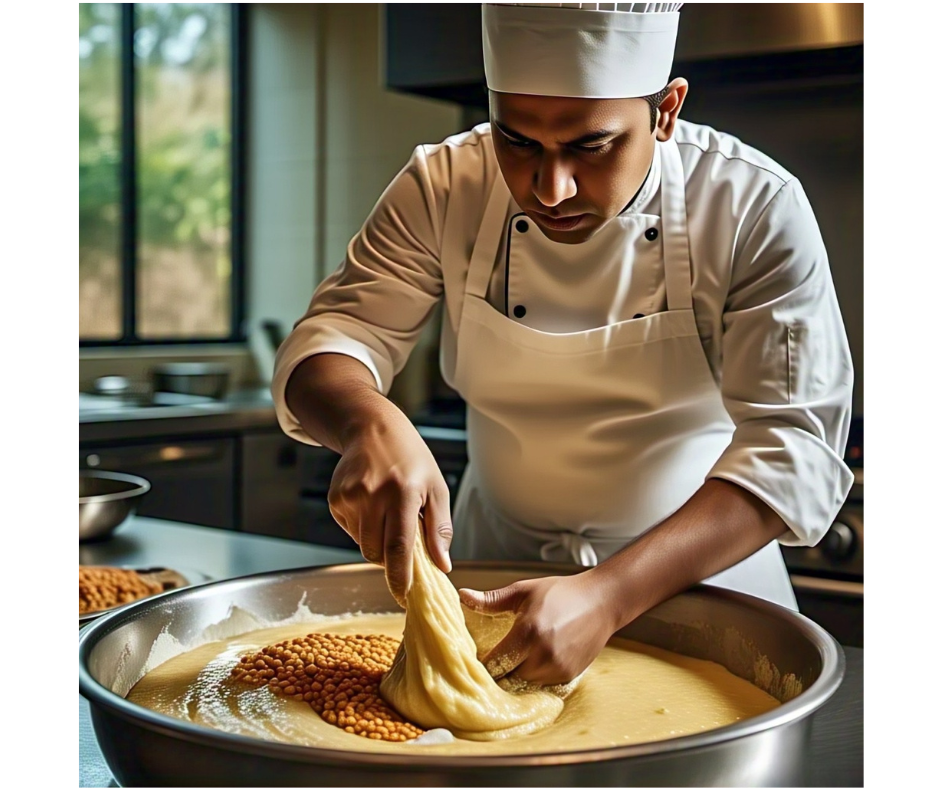
Used in dishes like dosa, idli, and dhokla, fermentation not only enhances flavor but also increases nutritional value and digestibility. The process typically involves rice, lentils, or gram flour left to ferment overnight.
Indian cuisine isn't one cuisine — it's dozens. Each state has its own staples, spice profile and signature dishes shaped by climate, religion and trade.
In the north, wheat dominates: think roti, paratha and naan, paired with rich gravies like butter chicken, dal makhani and rajma. In the south, rice is king: dosa, idli, sambar and the elaborate Tamil sadya served on a banana leaf.
The east celebrates fish — Bengali macher jhol, Odia machha besara, Assamese tenga — alongside sweets like rosogolla and sandesh. The west spans the seafood of Goa, the vegetarian thalis of Gujarat and the spice-heavy Maharashtrian misal pav.
Beyond regional cuisines, India contributed chillies, sugar refining, ghee, biryani and a global vocabulary of spices: turmeric, cardamom, cumin, fenugreek, asafoetida and pepper.
Regional cuisines
30+
Common spices
20+ daily-use
Global Indian dishes
Biryani, curry, naan, samosa
Vegetarian share
~40% of population
Sweet tradition
100+ named mithais
Wheat-based breads (roti, naan, paratha), rich dairy gravies, tandoor cooking and the Mughlai legacy of biryani and kebabs.
Rice and lentil-based dishes — dosa, idli, sambar, rasam, payasam — with coconut, curry leaves and tamarind as recurring flavours.
Goan vindaloo and xacuti, Mangalorean ghee roast, Kerala meen curry, Bengali macher jhol — each defined by local fish, coconut and kokum.
Bengali rosogolla and sandesh, north Indian gulab jamun, Mysore pak, jalebi, kaju katli — sweets are an entire culinary universe of their own.
Continue the journey through India's culinary heritage.