Festivals of India

Experience the vibrant celebrations that showcase India's cultural diversity, religious traditions, and seasonal changes throughout the year

Discover Festivals

Explore Indian Festivals

Festival Calendar

Plan your cultural journey through India with our seasonal festival guide

Spring (March-April)

  • Holi
  • Baisakhi
  • Bihu
  • Gudi Padwa

Summer (May-June)

  • Buddha Purnima
  • Rath Yatra
  • Hemis Festival

Monsoon (July-September)

  • Onam
  • Ganesh Chaturthi
  • Janmashtami
  • Teej

Autumn (October-November)

  • Diwali
  • Durga Puja
  • Dussehra
  • Pushkar Fair

Winter (December-February)

  • Pongal
  • Lohri
  • Christmas
  • Makar Sankranti

The Spirit of Indian Festivals

Festivals in India are not just celebrations; they are a vibrant expression of the country's rich cultural tapestry, religious diversity, and historical traditions. These festivals connect communities, preserve ancient customs, and offer a glimpse into India's spiritual soul. Each region of India has its unique festivals, often tied to agricultural cycles, mythological stories, or historical events. From the colorful Holi that welcomes spring, to the sparkling Diwali that celebrates the triumph of light over darkness, from the devotional Durga Puja to the harvest celebrations of Pongal and Baisakhi - Indian festivals showcase the country's unity in diversity. Many festivals in India transcend religious boundaries, with people of different faiths participating in the celebrations. This inclusive spirit makes Indian festivals a powerful medium for cultural exchange and community bonding. Whether it's the grandeur of Ganesh Chaturthi processions in Maharashtra or the serene boat races of Onam in Kerala, festivals offer an authentic experience of India's living traditions.

About Indian Festivals

Indian festivals are vibrant celebrations that reflect the country's rich cultural diversity, spiritual traditions, and seasonal cycles. Each festival carries deep significance and brings communities together in joyous celebration.

Key Highlights

Seasonal Celebrations

Many festivals align with agricultural cycles, celebrating harvests, seasons, and natural phenomena.

Religious Significance

Festivals honor deities, commemorate historical events, and mark important spiritual occasions.

Regional Diversity

Each region has unique festivals that reflect local customs, traditions, and cultural practices.

Community Bonding

Festivals strengthen social bonds and preserve cultural traditions across generations.

Historical Background

Indian festivals have ancient origins, many dating back to Vedic times. They evolved through various historical periods, incorporating influences from different dynasties, religions, and cultural exchanges. The Puranas, ancient Indian texts, describe many festivals and their significance.

Cultural Significance

Festivals serve as repositories of cultural knowledge, preserving stories, values, and traditions. They promote social harmony, provide opportunities for artistic expression through music, dance, and crafts, and maintain connections between past and present.

Modern Relevance

In contemporary India, festivals continue to play vital roles in maintaining cultural identity, especially among diaspora communities. They have also become significant economic drivers, promoting tourism, handicrafts, and local businesses while adapting to modern lifestyles.

Indian Festivals

A Year of Festivals — How India Celebrates Across Faiths and Seasons

India celebrates more than 30 major festivals across Hindu, Muslim, Sikh, Christian, Jain, Buddhist and Parsi communities — each with its own rituals, foods and music.

The festival calendar follows lunar cycles, harvest seasons and historical events. Diwali falls in autumn, Holi at the spring equinox, Pongal and Makar Sankranti at winter solstice, Onam in late summer, Eid by the Islamic calendar, and Christmas on December 25.

Beyond the famous national festivals, every state has its own — Durga Puja in West Bengal, Bihu in Assam, Ganesh Chaturthi in Maharashtra, Baisakhi in Punjab, Bonalu in Telangana — making India arguably the most festival-rich country on Earth.

Quick Facts

Major festivals

30+

National holidays

17 gazetted

Regional festivals

100+ documented

Religions celebrated

All major faiths

Diwali

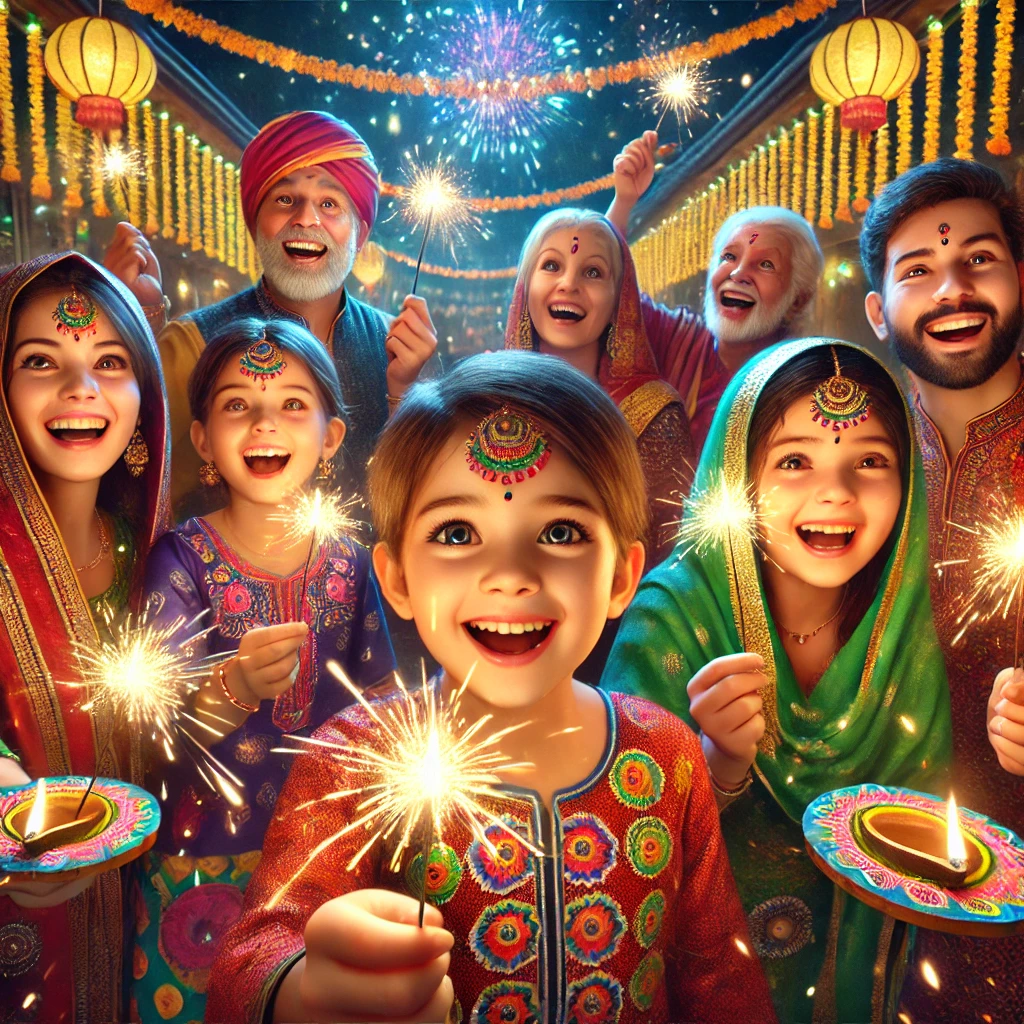
The festival of lights, celebrated by Hindus, Sikhs and Jains in autumn. Marks Lord Rama's return to Ayodhya, Lakshmi puja and the victory of light over darkness.

Holi

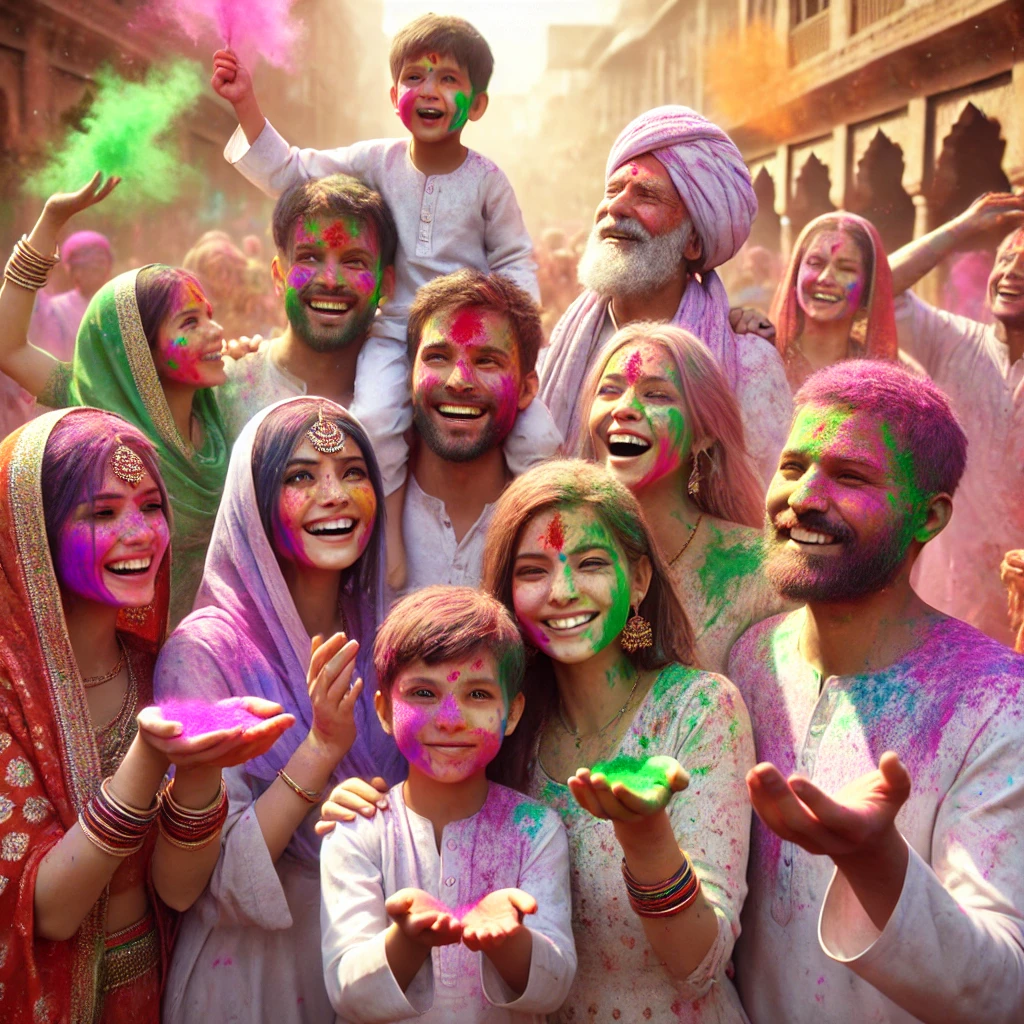
The festival of colours, marking spring and the legend of Prahlad and Holika. Today celebrated globally with coloured powders, music and sweets.

Eid al-Fitr & Eid al-Adha

India's 200 million Muslims celebrate both Eids with special prayers, sheer khurma, biryani and family gatherings — public holidays nationwide.

Christmas

Celebrated across India, especially vibrant in Goa, Kerala and the North-East, with midnight mass, plum cake, kuswar sweets and festive decorations.

Quick Answers

Indian Festivals — FAQs

India has more than 30 major nationally celebrated festivals and over 100 documented regional ones. Including local fairs and temple festivals, the number runs into thousands across the year.

Diwali is the most widely celebrated festival, observed across faiths and regions. However, Eid, Christmas, Onam, Pongal, Durga Puja, Navratri and Ganesh Chaturthi are equally central to the communities and states that celebrate them.

Diwali commemorates Lord Rama's return to Ayodhya after 14 years of exile; the people lit oil lamps (diyas) to welcome him. The lights also symbolise the victory of knowledge over ignorance and good over evil.

Holi is the spring festival of colours, celebrated on the full moon of the Hindu month Phalguna (usually March). It marks Krishna lore and the legend of Prahlad — and today is famous worldwide for its colour throwing.

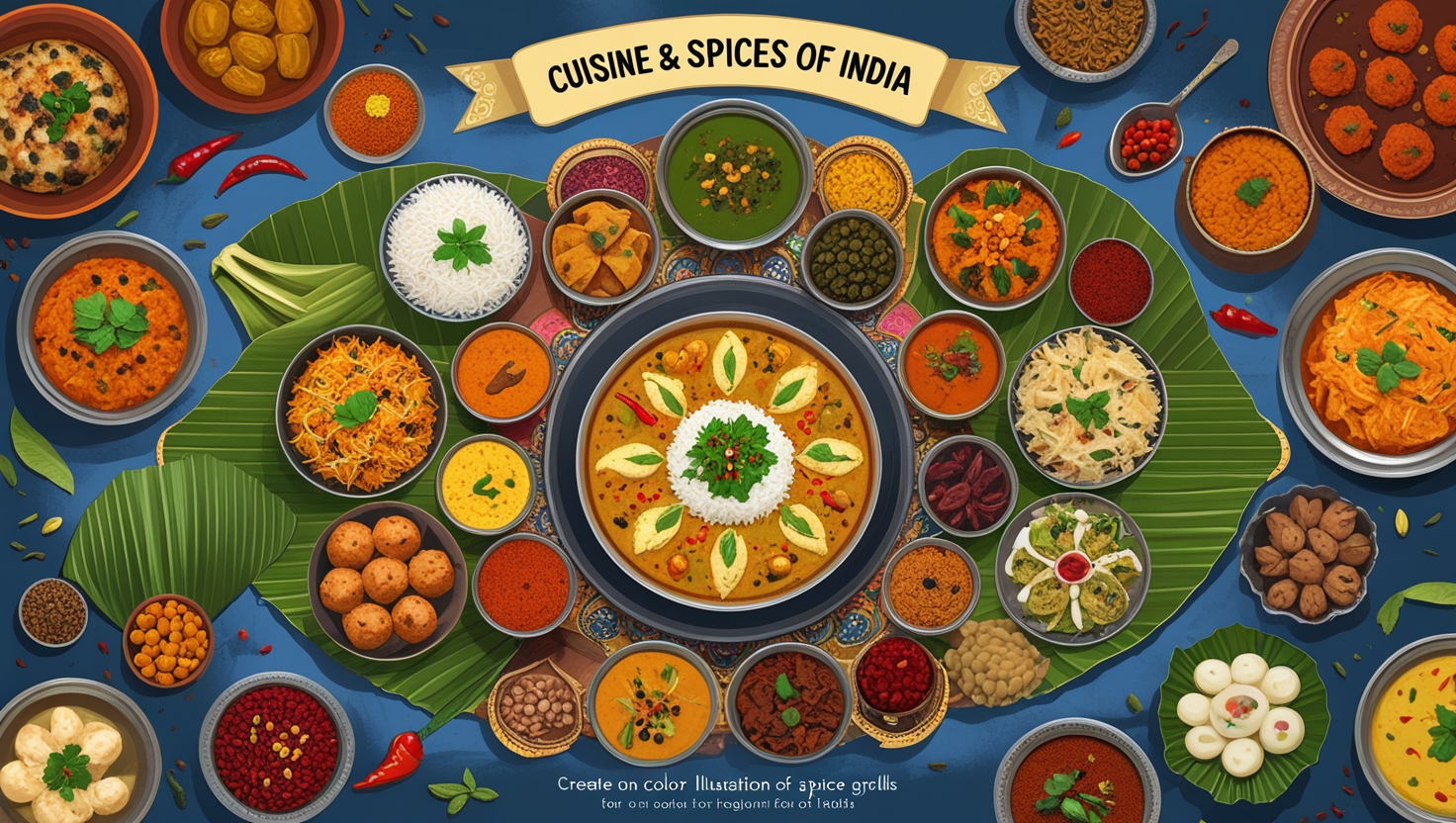
Onam is Kerala's 10-day harvest festival celebrating the legendary king Mahabali. Highlights include the Pookalam (flower carpet), Sadya (26-dish vegetarian feast on a banana leaf) and Vallam Kali (snake boat races).

Both fall around 14 January and mark the sun's northward journey. Pongal (Tamil Nadu) is a four-day harvest festival with newly cooked rice; Makar Sankranti is celebrated across north and west India with kite flying, sesame sweets and bonfires (Lohri in Punjab).

No. Many — like Pongal, Onam, Baisakhi and Bihu — are harvest festivals; Republic Day and Independence Day are national; and many regional festivals celebrate folklore or seasonal change rather than scripture.

Diwali is celebrated by Hindus, Sikhs (marking Guru Hargobind's release from imprisonment) and Jains (marking Lord Mahavira's nirvana) — making it one of the most cross-faith festivals.