Sacred Temples of India

Discover the architectural marvels, spiritual significance, and cultural heritage of India's most revered temples.
Sacred Temples of India

Spiritual Heritage

India's temples are not just places of worship but living monuments that tell the story of the country's rich cultural and architectural legacy.

Architectural Marvels

Indian temples showcase a variety of architectural styles, from the intricate carvings of Khajuraho to the towering gopurams of South India, each telling a unique story through stone.

Historical Significance

Many of India's temples have stood for centuries, surviving invasions and natural disasters, serving as living testimonies to the country's resilient cultural heritage.

Spiritual Geography

From the snow-capped Himalayas to the shores of the Indian Ocean, sacred temples are spread across the diverse landscape of India, each connected to local traditions and beliefs.

Temple Architectural Styles

India's temples showcase distinct architectural styles that vary by region and historical period

Northern (Nagara) Style

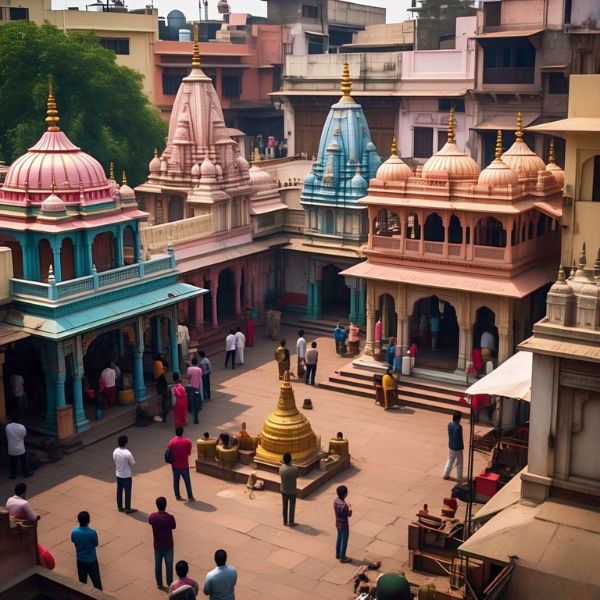
Characterized by a beehive-shaped tower (shikhara) made up of layer upon layer of architectural elements. Examples include the temples at Khajuraho and the Kashi Vishwanath Temple.

Southern (Dravida) Style

Distinguished by pyramid-shaped towers called gopurams that are often elaborately decorated with sculptures of deities. The Meenakshi Temple and Brihadeeswara Temple exemplify this style.

Vesara Style

A hybrid style that combines elements of both Nagara and Dravida styles, found primarily in the Deccan region of central India.

Bengali Style

Features curved roofs, influenced by the traditional bamboo huts of Bengal. These temples often have multiple towers that mimic thatched roofs.

Sacred Temples of India

Explore these magnificent temples that showcase India's rich spiritual heritage, architectural brilliance, and cultural diversity

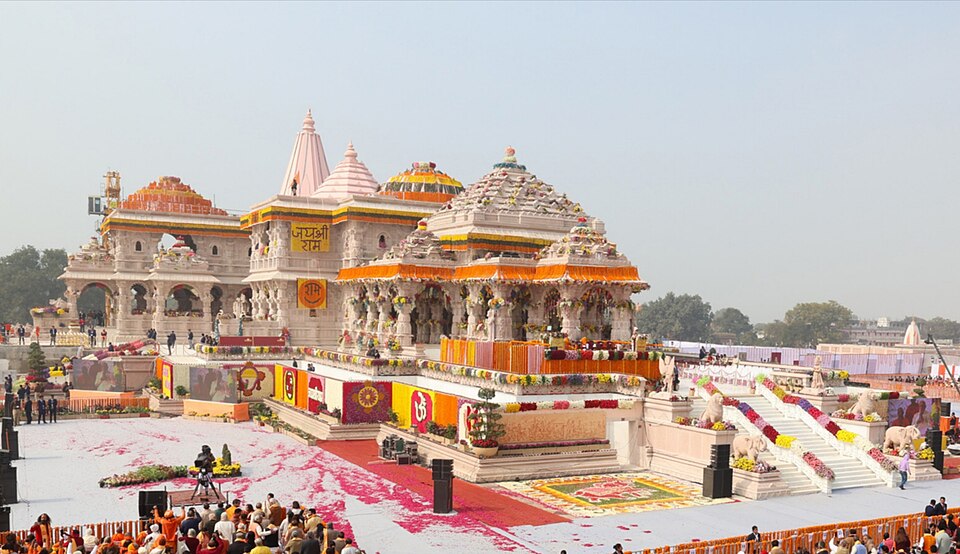
Ayodhya Ram Mandir in Ayodhya, Uttar Pradesh — famous Indian temple architecture
Spiritual Landmark
By Prime Minister's Office (GODL-India), GODL-India, Link

Ayodhya Ram Mandir

A grand Hindu temple dedicated to Lord Rama, built at his birthplace in Ayodhya. It stands as a symbol of spiritual and cultural resurgence in India.
Ayodhya, Uttar Pradesh
Consecrated on 22 January 2024
Highlights:
  • Built at the birthplace of Lord Rama
  • Magnificent Nagara-style architecture
  • Sacred pilgrimage destination
Golden Temple (Harmandir Sahib) in Amritsar, Punjab — famous Indian temple architecture
Sikhism

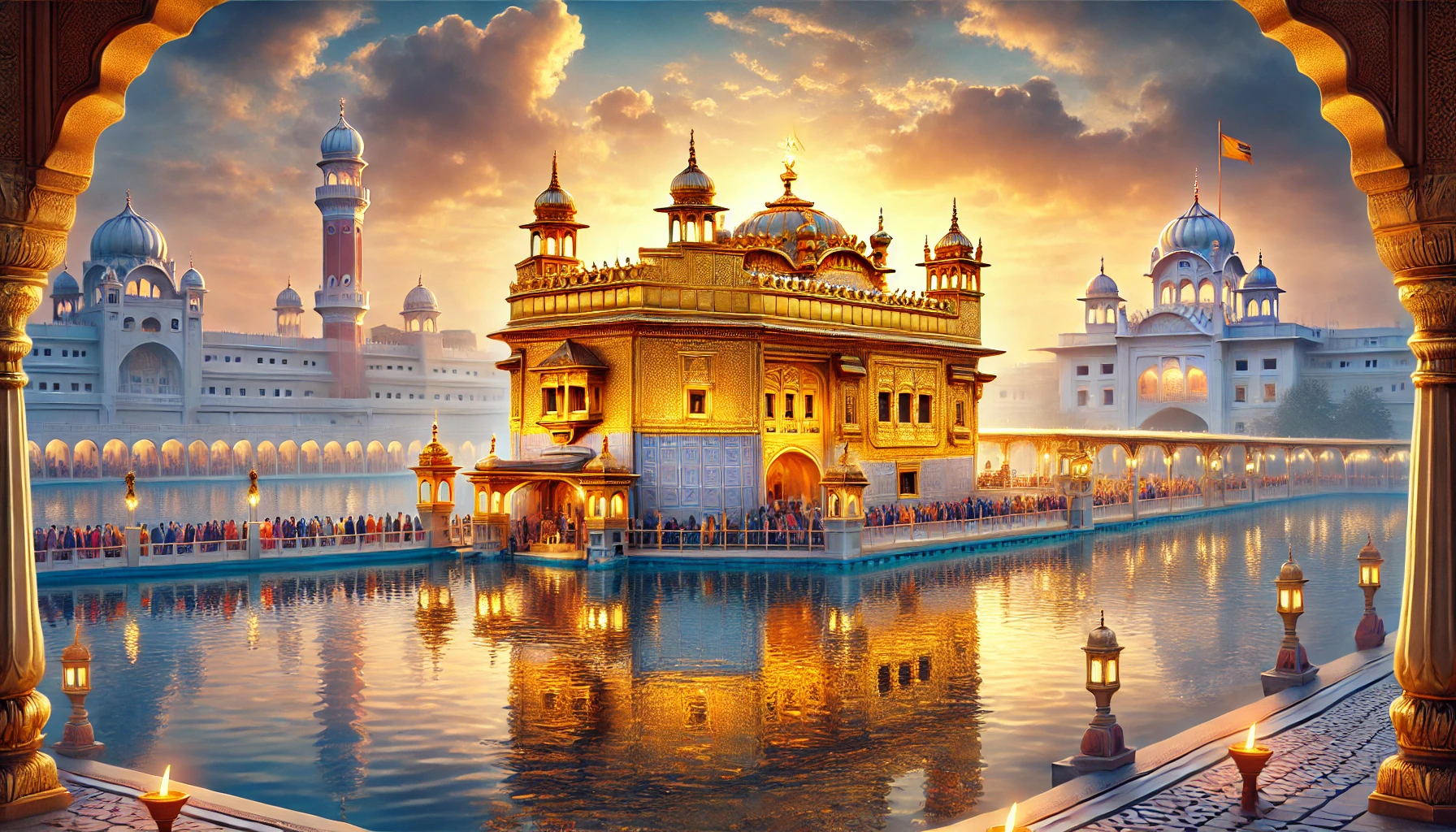
Golden Temple (Harmandir Sahib)

The holiest gurdwara and the most important pilgrimage site of Sikhism, known for its gold-plated upper floors and its location in the middle of a sacred pool.
Amritsar, Punjab
Completed in 1604
Highlights:
  • Gold-plated upper floors
  • Guru Granth Sahib (holy scripture) housed inside
  • Langar (community kitchen) serves free meals to all visitors
Meenakshi Amman Temple in Madurai, Tamil Nadu — famous Indian temple architecture
Hinduism

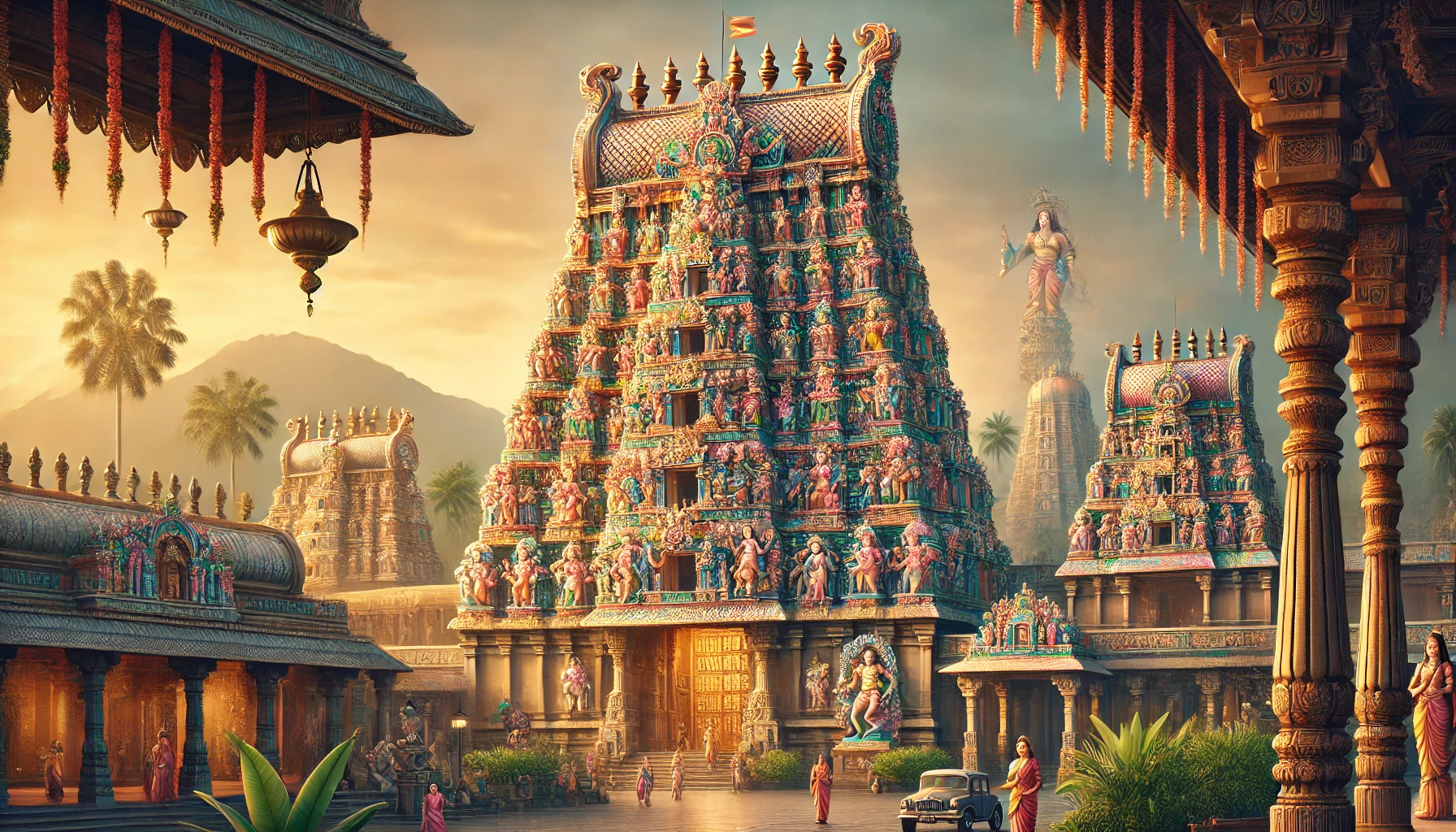
Meenakshi Amman Temple

A historic Hindu temple dedicated to Goddess Meenakshi (Parvati) and Lord Sundareswarar (Shiva), known for its magnificent architecture and colorful sculptures.
Madurai, Tamil Nadu
Built between 1623 and 1655 CE
Highlights:
  • 14 gopurams (gateway towers)
  • Thousand Pillar Hall with intricately carved columns
  • Annual Meenakshi Thirukalyanam festival
Konark Sun Temple in Konark, Odisha — famous Indian temple architecture
UNESCO

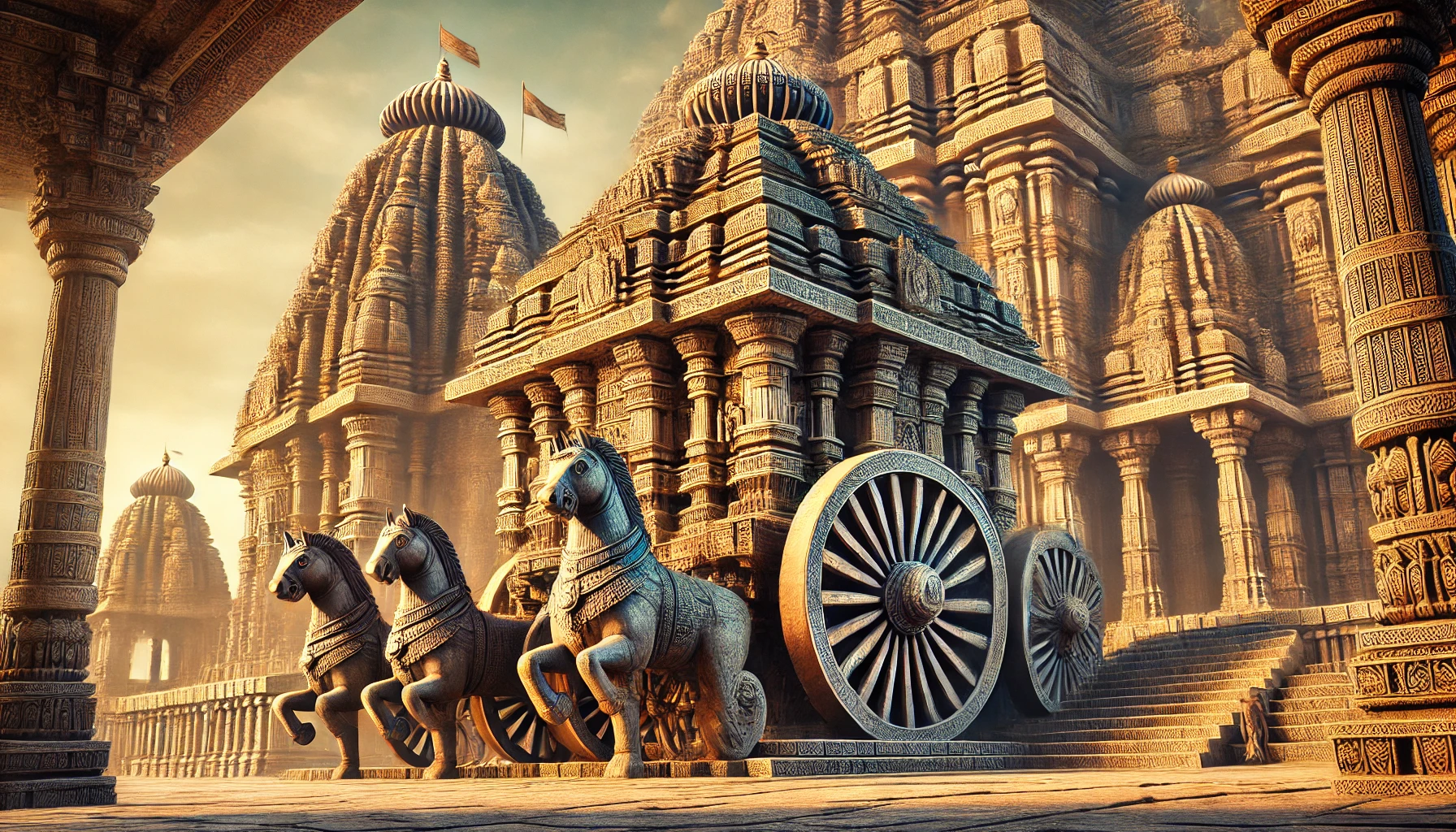
Konark Sun Temple

A 13th-century Sun temple in the form of a giant chariot with intricately carved stone wheels, pillars, and walls. A UNESCO World Heritage Site.
Konark, Odisha
Built in the 13th century
Highlights:
  • Designed as a chariot of the sun god Surya
  • 24 intricately carved wheels
  • UNESCO World Heritage Site
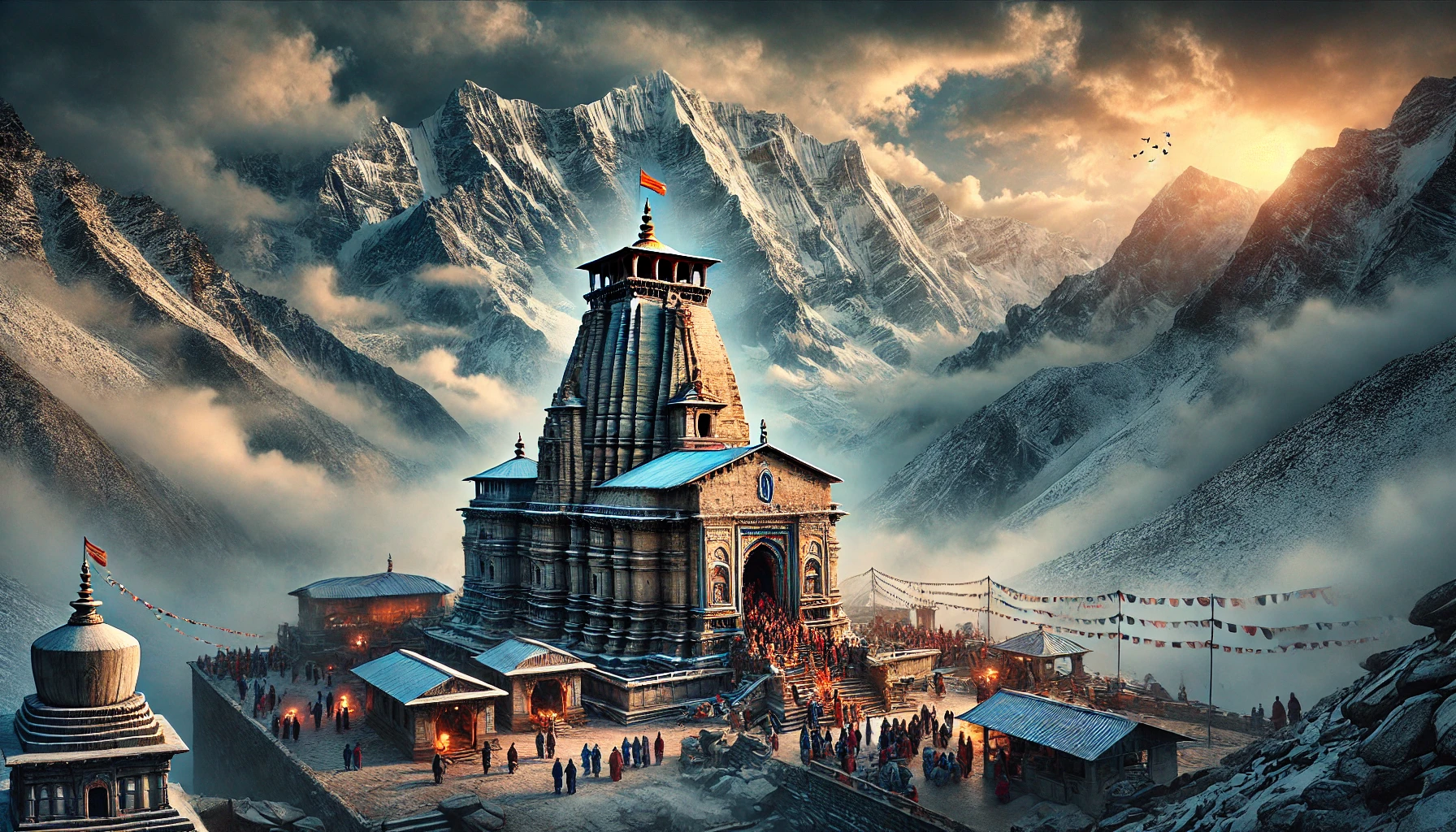
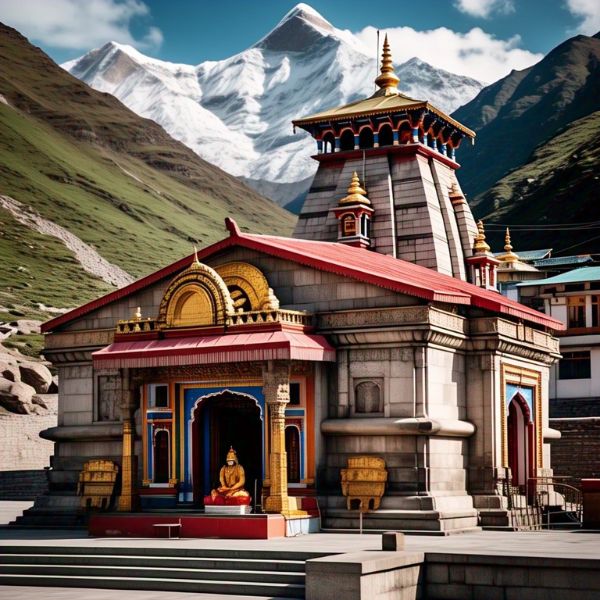
Kedarnath Temple in Kedarnath, Uttarakhand — famous Indian temple architecture
Pilgrimage

Kedarnath Temple

One of the twelve Jyotirlingas of Lord Shiva and part of the Char Dham pilgrimage circuit, located in the Himalayan mountains.
Kedarnath, Uttarakhand
Built in the 8th century CE
Highlights:
  • Located at an altitude of 3,583 m
  • One of the 12 Jyotirlingas
  • Part of Char Dham pilgrimage
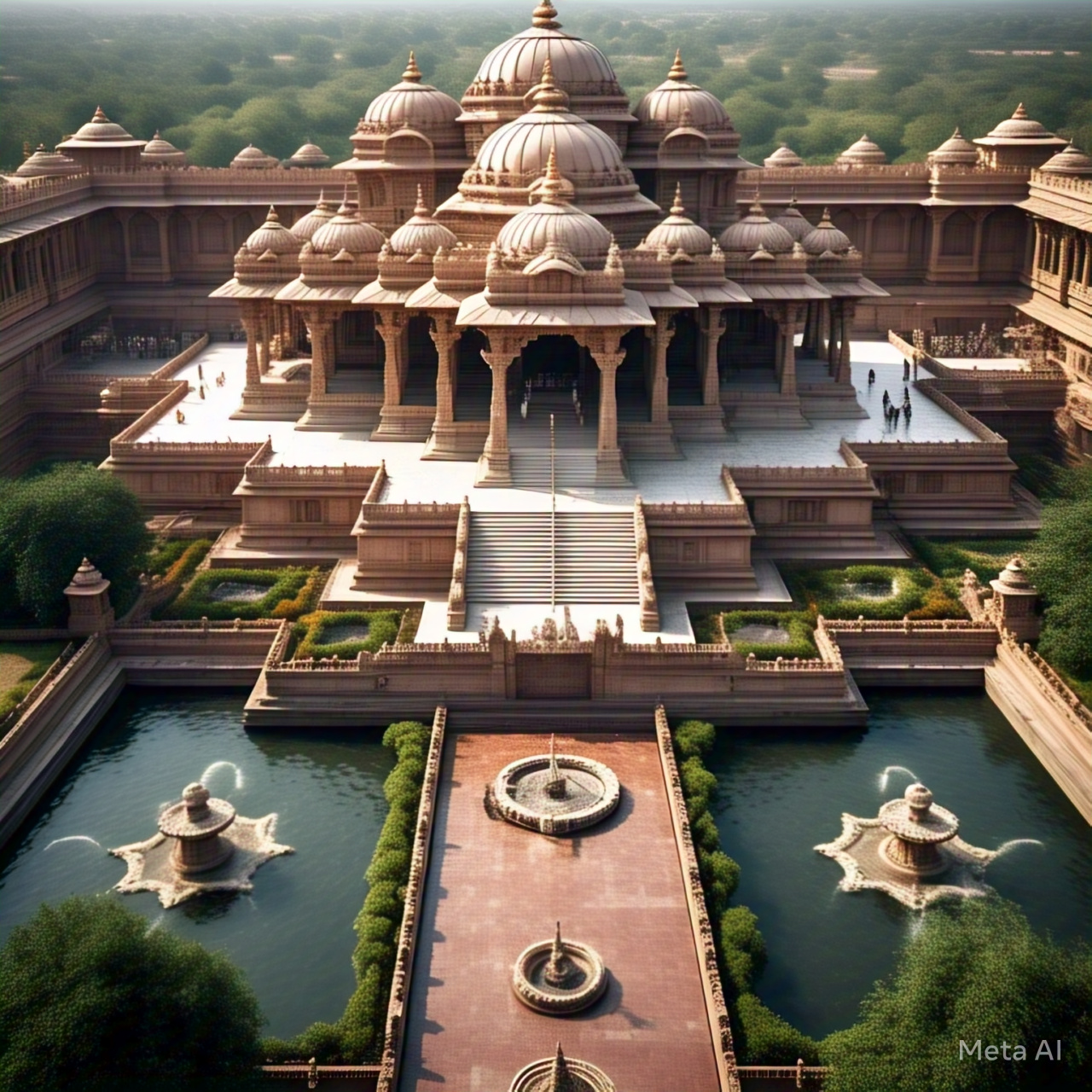
Akshardham Temple in New Delhi — famous Indian temple architecture
Modern

Akshardham Temple

A modern Hindu temple complex that showcases Indian culture, spirituality, and architecture with intricate carvings, exhibitions, and a musical fountain.
New Delhi
Completed in 2005
Highlights:
  • Over 20,000 carved statues
  • Musical fountain show
  • Exhibitions on Hindu philosophy
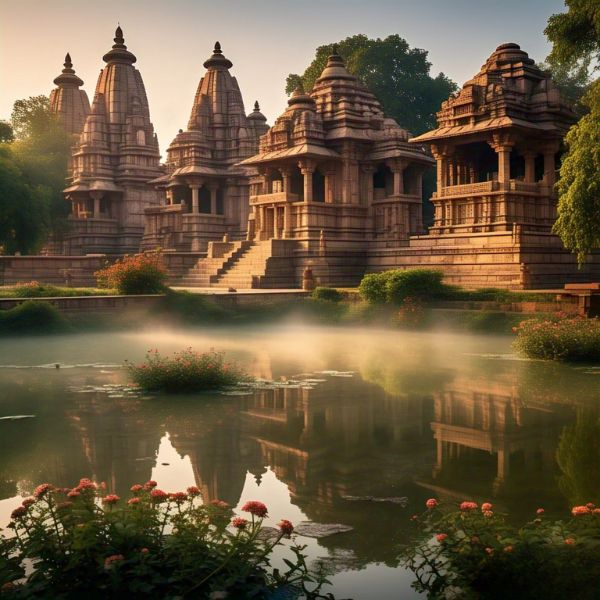
Khajuraho Temples in Khajuraho, Madhya Pradesh — famous Indian temple architecture
UNESCO

Khajuraho Temples

A group of Hindu and Jain temples famous for their nagara-style architectural symbolism and erotic sculptures. A UNESCO World Heritage Site.
Khajuraho, Madhya Pradesh
Built between 950 and 1050 CE
Highlights:
  • Intricate erotic sculptures
  • Nagara-style architecture
  • UNESCO World Heritage Site
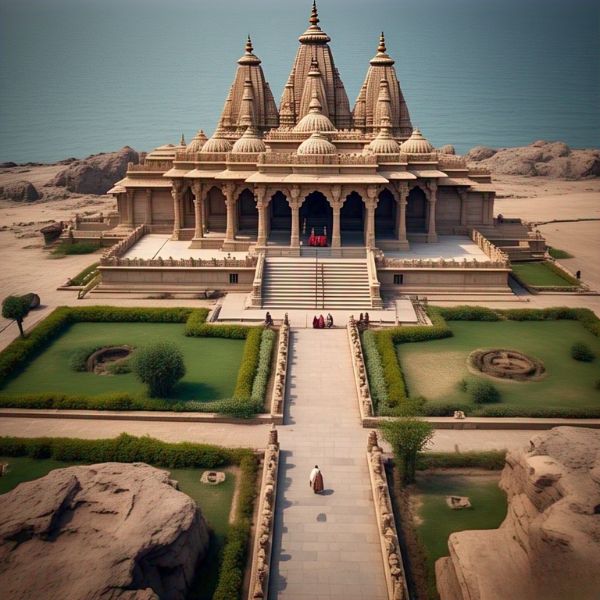
Somnath Temple in Prabhas Patan, Gujarat — famous Indian temple architecture
Historical

Somnath Temple

One of the twelve Jyotirlingas of Lord Shiva, rebuilt several times after repeated destruction by Islamic invaders and rulers.
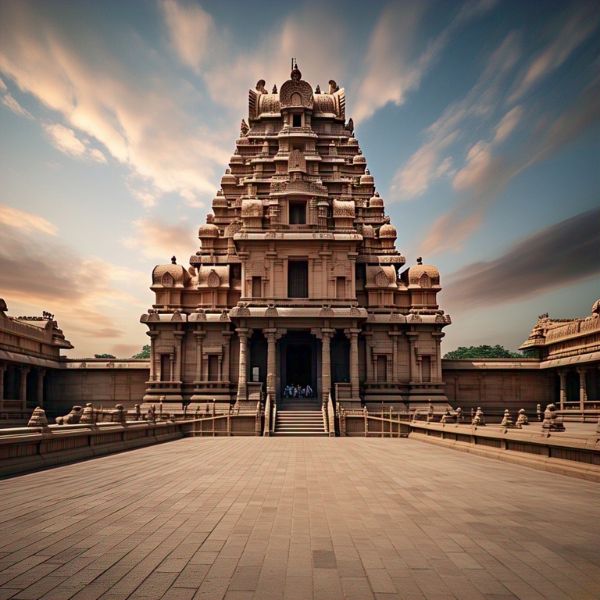
Prabhas Patan, Gujarat
Current structure rebuilt in 1951
Highlights:
  • One of the 12 Jyotirlingas
  • Rebuilt multiple times throughout history
  • Situated on the Arabian Sea shore
Brihadeeswara Temple in Thanjavur, Tamil Nadu — famous Indian temple architecture
UNESCO

Brihadeeswara Temple

A magnificent temple dedicated to Lord Shiva, known for its architectural grandeur and the massive monolithic Nandi statue. A UNESCO World Heritage Site.

Thanjavur, Tamil Nadu
Completed in 1010 CE
Highlights:
  • Massive 216 ft vimana (temple tower)
  • Built entirely of granite
  • UNESCO World Heritage Site
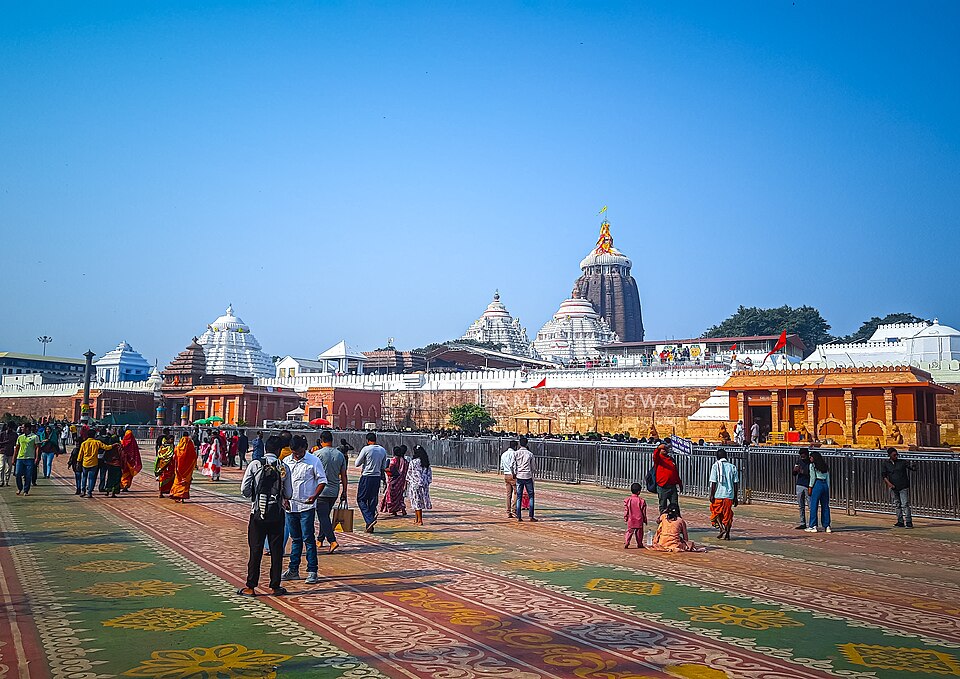
Jagannath Temple in Puri, Odisha — famous Indian temple architecture
Pilgrimage
By AmlanBiswal25Own work, CC BY-SA 4.0, Link

Jagannath Temple

A sacred Hindu temple dedicated to Lord Jagannath, a form of Vishnu, known for the annual Rath Yatra (chariot festival).
Puri, Odisha
Built in the 12th century CE
Highlights:
  • Annual Rath Yatra (chariot festival)
  • Wooden idols of Lord Jagannath
  • One of the Char Dham pilgrimage sites
Badrinath Temple in Badrinath, Uttarakhand — famous Indian temple architecture
Pilgrimage

Badrinath Temple

One of the holiest Hindu temples dedicated to Lord Vishnu, part of the Char Dham pilgrimage circuit in the Himalayas.

Badrinath, Uttarakhand
Established in the 9th century
Highlights:
  • Located at an altitude of 3,133 m
  • Part of Char Dham pilgrimage
  • Situated on the banks of Alaknanda River
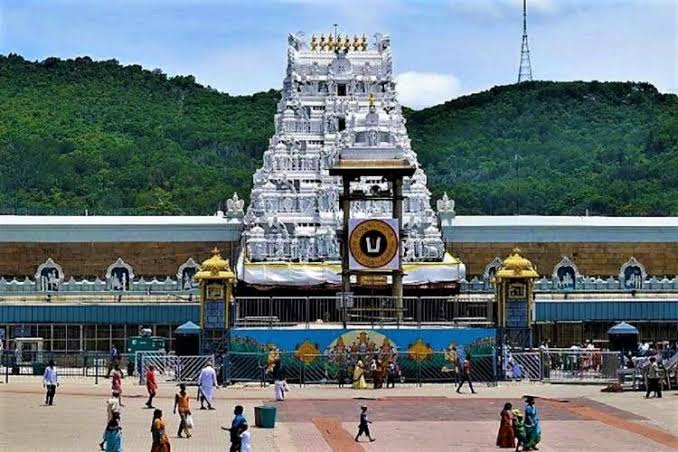
Tirupati Balaji Temple in Tirumala, Andhra Pradesh — famous Indian temple architecture
Pilgrimage
By Nikhilb239Own work, CC BY-SA 4.0, Link

Tirupati Balaji Temple

One of the most visited religious sites in the world, dedicated to Lord Venkateswara, a form of Vishnu, known for its wealth and devotee offerings.
Tirumala, Andhra Pradesh
Built in the 10th century
Highlights:
  • Richest temple in the world
  • Daily visits by thousands of pilgrims
  • Famous laddu prasadam
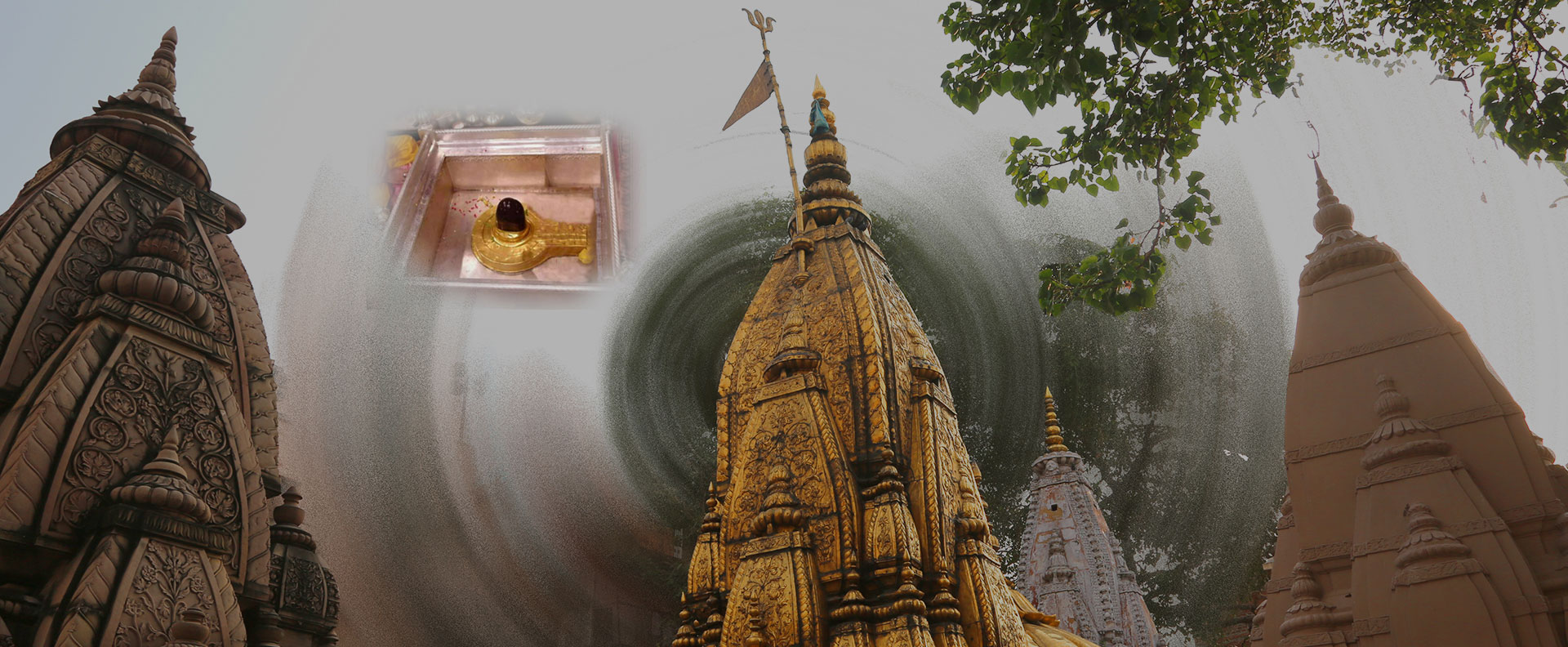
Kashi Vishwanath Temple in Varanasi, Uttar Pradesh — famous Indian temple architecture
Pilgrimage

Kashi Vishwanath Temple

One of the most famous Hindu temples dedicated to Lord Shiva, located on the western bank of the holy river Ganga in Varanasi.

Varanasi, Uttar Pradesh
Current structure built in 1780
Highlights:
  • One of the 12 Jyotirlingas
  • Located in the holy city of Varanasi
  • Recently renovated with expanded corridor

Sacred Pilgrimage Circuits

India's spiritual landscape is organized into sacred circuits that pilgrims have traversed for centuries

Char Dham

The four sacred sites located in the Himalayan region that form the most important Hindu pilgrimage circuit:

  • Badrinath - Dedicated to Lord Vishnu
  • Kedarnath - Dedicated to Lord Shiva
  • Gangotri - Source of the River Ganges
  • Yamunotri - Source of the River Yamuna

Completing the Char Dham yatra is believed to wash away all sins and ensure salvation (moksha).

Twelve Jyotirlingas

Sacred shrines where Lord Shiva is worshipped in the form of a Jyotirlinga (radiant sign of The Infinite):

  • Somnath in Gujarat
  • Mallikarjuna in Andhra Pradesh
  • Mahakaleshwar in Madhya Pradesh
  • Omkareshwar in Madhya Pradesh
  • Kedarnath in Uttarakhand
  • Bhimashankar in Maharashtra
  • Kashi Vishwanath in Uttar Pradesh
  • Trimbakeshwar in Maharashtra
  • Vaidyanath in Jharkhand
  • Nageshwar in Gujarat
  • Rameshwaram in Tamil Nadu
  • Grishneshwar in Maharashtra
Famous Temples

India's Most Sacred Temples — A Pilgrim's Map

India has over two million temples, but a few stand out for their architectural grandeur, daily footfall and centuries-deep tradition. This guide covers the most important.

Tirumala Venkateswara Temple in Tirupati draws 50,000–100,000 pilgrims a day, making it likely the world's most visited religious site. Meenakshi Amman Temple in Madurai, Brihadeeswarar in Thanjavur, Kashi Vishwanath in Varanasi, the Konark Sun Temple, the Somnath Temple in Gujarat and the Vaishno Devi shrine in Jammu are among the most revered.

Beyond Hindu temples, India has the Golden Temple (Sikh) in Amritsar, the Bahai Lotus Temple in Delhi, ancient Buddhist stupas at Sanchi and Bodh Gaya, and Jain temples at Mount Abu and Palitana — each architecturally extraordinary.

Quick Facts

Temples in India

~2 million

Most visited temple

Tirumala Venkateswara

Tallest gopuram

Murudeshwar (~75 m)

Largest functioning temple

Sri Ranganathaswamy, Srirangam

Quick Answers

Indian Temples — FAQs

The Tirumala Venkateswara Temple in Tirupati, Andhra Pradesh, is widely considered the world's most visited religious site, drawing 50,000–100,000 pilgrims daily and over 30 million annually.

The current Kashi Vishwanath Temple in Varanasi was rebuilt in 1780 by Maharani Ahilyabai Holkar, but the site has been a continuously revered place of worship for thousands of years, mentioned in ancient Puranic texts.

Char Dham ("four abodes") is a set of four major Hindu pilgrimage sites — Badrinath, Dwarka, Puri (Jagannath) and Rameswaram — established by Adi Shankaracharya. The "Chota Char Dham" of Uttarakhand (Yamunotri, Gangotri, Kedarnath, Badrinath) is also widely revered.

The Konark Sun Temple in Odisha (13th century) was built by King Narasimhadeva I of the Eastern Ganga dynasty as a colossal chariot of the Sun God Surya, drawn by seven horses and twelve pairs of wheels — a UNESCO World Heritage Site.

The Sri Ranganathaswamy Temple in Srirangam, Tamil Nadu, is the largest functioning Hindu temple in the world by area, covering 156 acres with seven concentric prakaras and 21 gopurams.