🌀 🙏 🌍 Celebrating India’s Soul Across the Globe

At India Culture, our passion is to connect every Indian — no matter where they are in the world — with the rich and vibrant cultural heritage of our homeland.

From the timeless traditions and colorful festivals, to the graceful clothing, diverse cuisines, ancient architecture, space achievements, sports legends, and the unique identities of every Indian state — we aim to present India’s unity in diversity in its full glory.

Whether you're in Mumbai or Melbourne, Delhi or Dubai, India Culture is your digital home to rediscover, celebrate, and feel proud of our shared cultural roots.

Discover the Rich Cultural Heritage of India

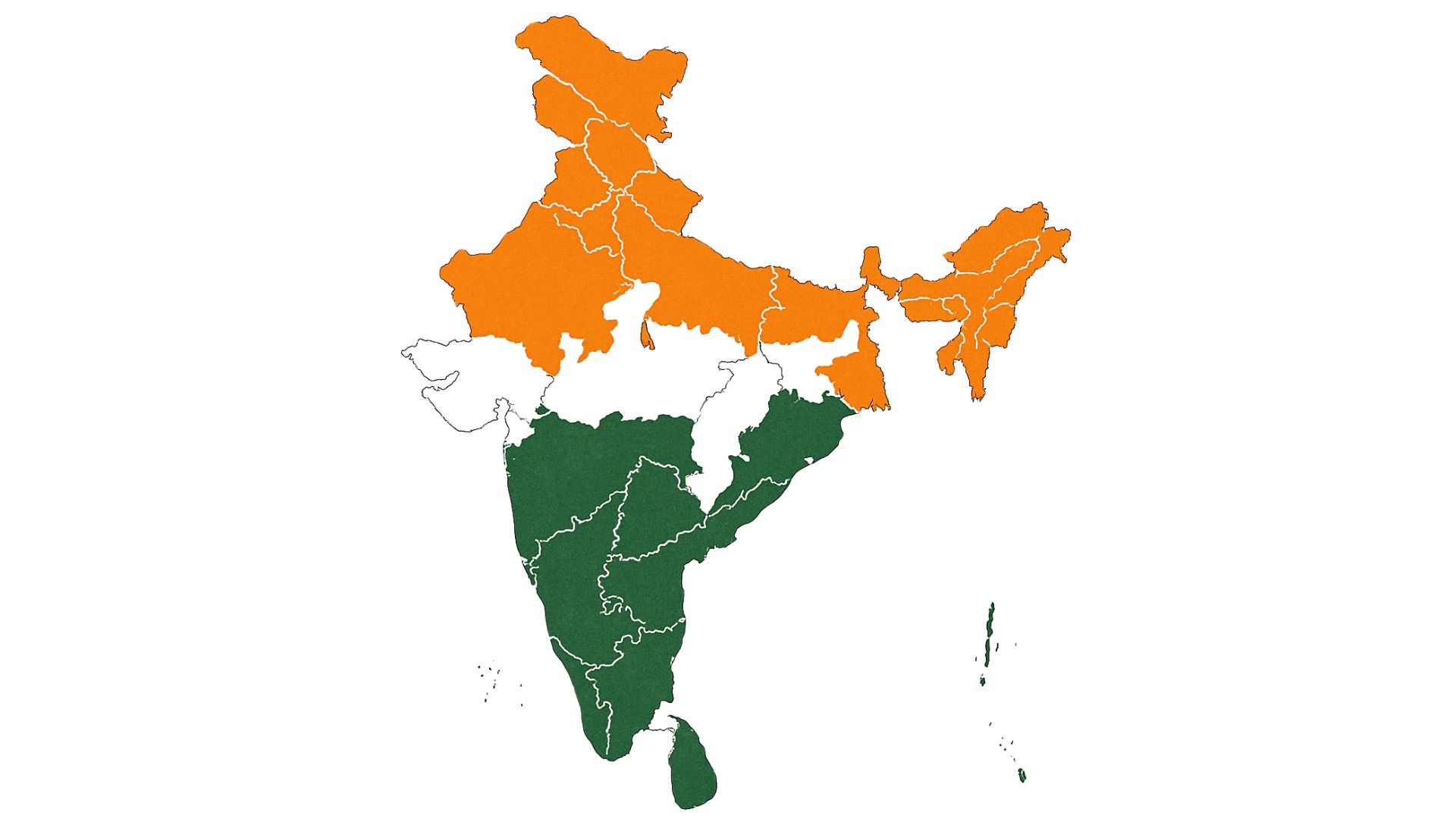
Indian Map

Explore the diverse traditions, art forms, history, and cultural practices that make India a land of incredible diversity and unity.

Featured Categories

Explore these handpicked categories to begin your journey through India's rich cultural heritage

Epics & Sattology

Epics & Sattology

Dive into the ancient epics and sattology that form the foundation of Indian culture.

Explore
Classical & Folk Dances

Classical & Folk Dances

Experience the grace and rhythm of India's diverse dance traditions.

Explore
Architectural Marvels

Architectural Marvels

Witness the stunning architectural heritage of India spanning centuries.

Explore

Cultural Highlights

Discover the essence of Indian culture through these key highlights

Unity in Diversity

Unity in Diversity

India is a land where diverse cultures, religions, and traditions coexist harmoniously, creating a unique tapestry of human experience.

Ancient Wisdom

Ancient Wisdom

From the Vedas to the Upanishads, India has contributed profound philosophical insights that continue to influence global thought.

Artistic Heritage

Artistic Heritage

India's artistic traditions span millennia, from ancient cave paintings to classical dance forms and contemporary cinema.

Visitor Experiences

See what people around the world are saying about their journey through Indian culture

"This website opened my eyes to the incredible depth and beauty of Indian culture. The interactive map feature was particularly enlightening!"

Sarah Johnson

United States

Explore India's Cultural Diversity

Discover the unique cultural elements of each Indian state through our interactive map. From regional cuisines to folk dances, explore the rich tapestry of traditions across India.

Interactive India Map

About India's Cultural Heritage

India's cultural heritage spans over 5,000 years, encompassing diverse traditions, languages, art forms, and philosophical systems that continue to thrive in the modern world.

Key Highlights

Unity in Diversity

India is home to over 2,000 distinct ethnic groups and more than 1,600 spoken languages, yet maintains cultural unity.

Ancient Wisdom

From Ayurveda to Yoga, ancient Indian knowledge systems continue to benefit humanity worldwide.

Artistic Excellence

Indian art forms like classical dance, music, and crafts represent millennia of refined artistic tradition.

Spiritual Legacy

India is the birthplace of four major religions: Hinduism, Buddhism, Jainism, and Sikhism.

Historical Background

India's cultural heritage has been shaped by various civilizations including the Indus Valley Civilization, Vedic culture, and numerous kingdoms that contributed to its rich tapestry. The synthesis of indigenous traditions with influences from various invaders and traders created a unique cultural amalgamation.

Cultural Significance

Indian culture emphasizes values like respect for elders, harmony with nature, and spiritual growth. Festivals, rituals, and traditions serve as vehicles for preserving and transmitting cultural knowledge across generations.

Modern Relevance

In today's globalized world, Indian cultural practices like yoga, meditation, and holistic healing are gaining recognition for their contribution to mental and physical well-being. Indian cuisine, cinema, and art continue to influence global culture.

Cultural Assistant Chatbot

Have Questions About Indian Culture?

Our AI-powered cultural assistant is here to help! Ask questions about festivals, traditions, history, art forms, or any aspect of Indian heritage.

A Living Encyclopedia

Why India's Culture Is One of the World's Most Diverse

India's culture spans over 5,000 years and stretches across 28 states, 8 union territories, 22 official languages and four world religions born on her soil. From the cave paintings of Ajanta to the cinema of Mumbai, India offers a continuous, living tradition unlike anywhere else.

This guide covers the big pillars — festivals, cuisine, classical dance, music, temples, architecture, ancient history and inventions — and the regional flavours that make every state feel like its own country. Each section is illustrated with photos, maps and timelines so the heritage feels close, not distant.

Whether you arrived searching for the eight classical dances of India, the difference between Hindustani and Carnatic music, the meaning of Diwali, or simply the best Indian food guide, you will find the answer below — written for curious students, travellers, NRIs and lifelong learners.

Quick Facts

Civilization age

~5,000 years

Languages

22 official, 1,600+ spoken

States & UTs

28 + 8

UNESCO sites

42 (and counting)

Classical dances

8 forms

Major festivals

30+ celebrated

Unity in Diversity

Hundreds of ethnic groups, scripts and culinary styles coexist under a shared cultural framework — a phrase coined for India and still its best descriptor.

Birthplace of Four Religions

Hinduism, Buddhism, Jainism and Sikhism all originated in India, and the country today hosts every major world faith.

A Continuous Tradition

Unlike most ancient civilisations, India's living languages, rituals, dances and recipes have remained continuously practised for millennia.

Modern + Ancient

Yoga and Ayurveda are now global wellness practices; ISRO's Chandrayaan-3 made India only the fourth nation to soft-land on the Moon.

Explore by Theme

Twelve Pillars of Indian Culture

Click any card to dive deeper. Each section has photos, history, regional variations and FAQs answered for you.

Quick Answers

About Indian Culture — FAQs

Quick answers to the questions visitors ask most often. For more, explore the dedicated section pages.

Indian culture is the collective heritage of the Indian subcontinent — its languages, religions, cuisine, dance, music, architecture, philosophy and traditions. It spans over 5,000 years, blending indigenous traditions with influences from Greek, Persian, Central Asian, Islamic and European cultures while remaining recognisably itself.

India officially recognises eight classical dance forms: Bharatanatyam (Tamil Nadu), Kathak (North India), Kathakali and Mohiniyattam (Kerala), Kuchipudi (Andhra Pradesh), Odissi (Odisha), Manipuri (Manipur) and Sattriya (Assam). Read the full guide.

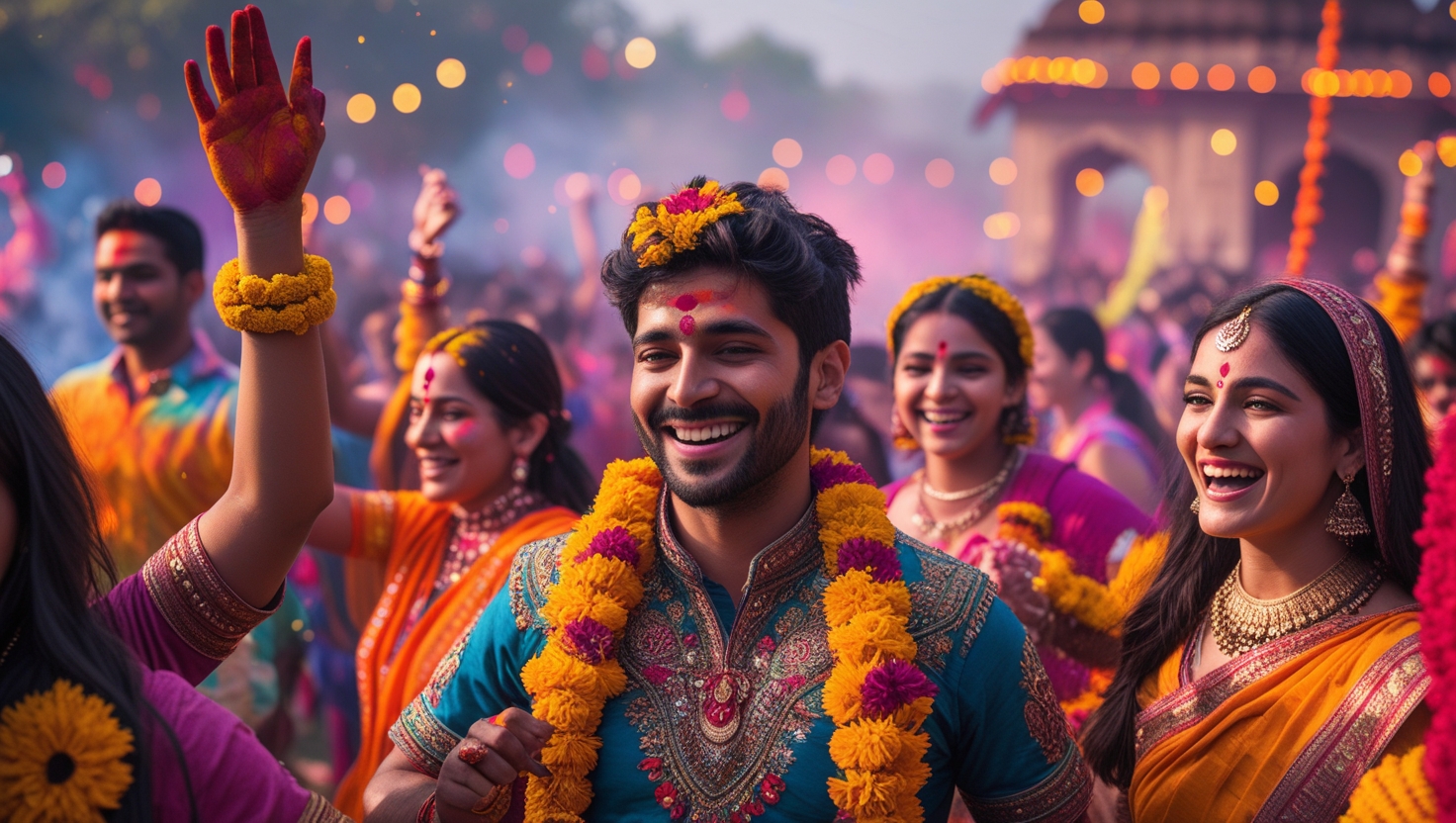
Diwali (festival of lights), Holi (festival of colours), Navratri/Durga Puja, Eid, Christmas, Pongal, Onam, Baisakhi, Raksha Bandhan and Janmashtami are among the most widely celebrated. See all festivals.

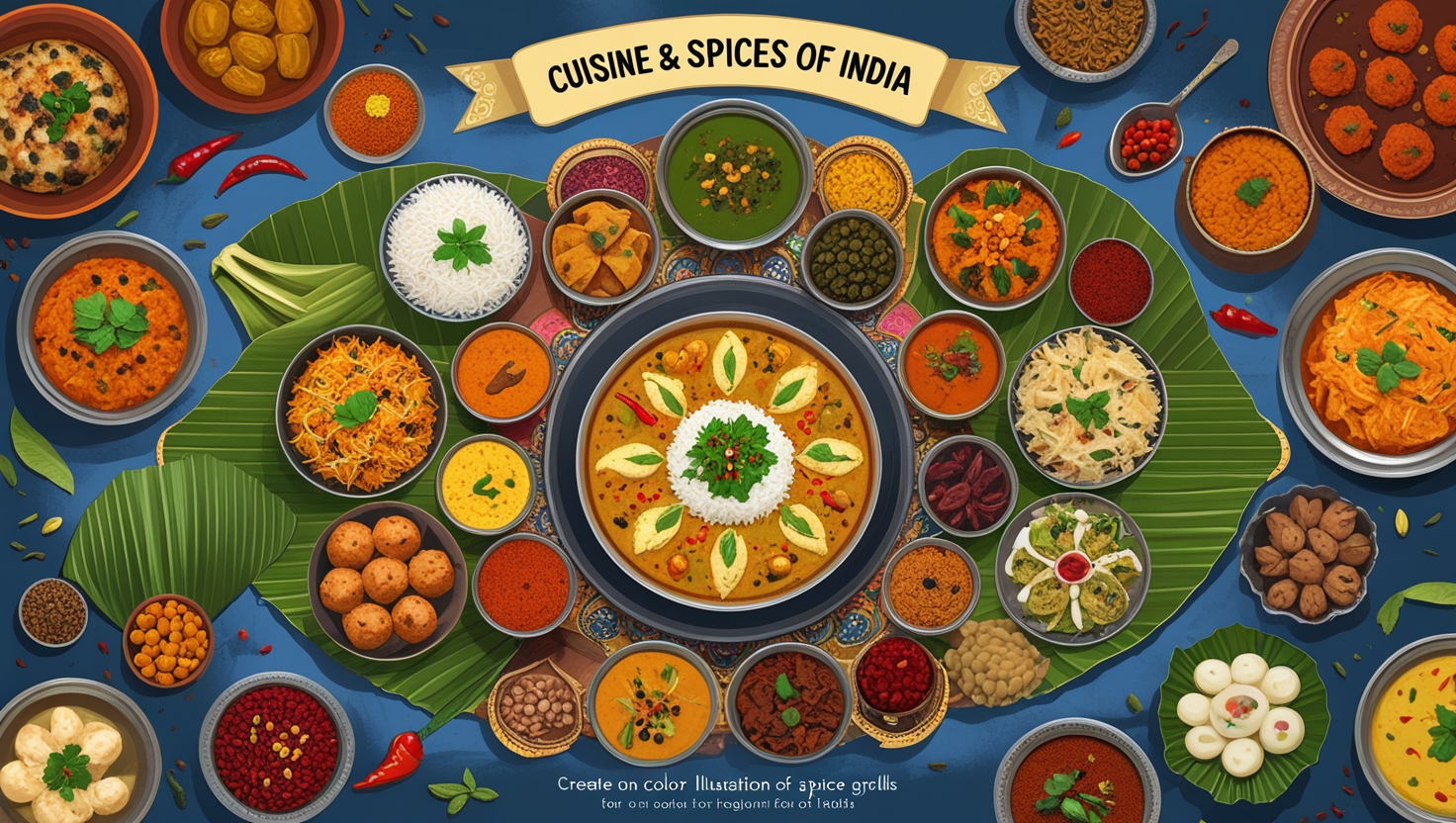
India's cuisine evolved over millennia across vastly different climates — from the wheat-and-dairy north to the rice-and-coconut south, the seafood-rich coasts and the meat-heavy Mughlai courts. Trade routes brought chillies, potatoes and tomatoes, which were absorbed into native dishes. From a Punjabi paratha breakfast to a Tamil sambar lunch and a Bengali rosogolla after dinner, every Indian region has shaped a distinct culinary identity over thousands of years.

Hindustani classical music is the northern tradition (improvisation-heavy, influenced by Persian aesthetics), while Carnatic music is the southern tradition (composition-heavy, deeply devotional). Both share the raga–tala system but differ in instruments, rendering style and vocabulary. Compare the two.

Four major world religions originated in India: Hinduism, Buddhism, Jainism and Sikhism. India is also home to ancient communities of Christians (since the 1st century CE), Muslims, Zoroastrians (Parsis) and Jews.

The Tirumala Venkateswara Temple in Tirupati, Andhra Pradesh, is widely considered the most visited religious site in the world, drawing 50,000–100,000 pilgrims daily. Explore famous Indian temples.

It refers to the way India's many languages, religions, cuisines and customs coexist within a shared national, cultural and constitutional identity — a phrase coined by Pandit Jawaharlal Nehru.

Use our interactive cultural map of India — click any state to explore its language, cuisine, festivals, dance forms, traditional clothing and famous landmarks.

Yes. Yoga originated in ancient India over 5,000 years ago and is rooted in the Yoga Sutras of Patanjali. Today it is one of India's most influential cultural exports — UNESCO inscribed it on the Representative List of the Intangible Cultural Heritage of Humanity in 2016. Learn more.