Ramadan
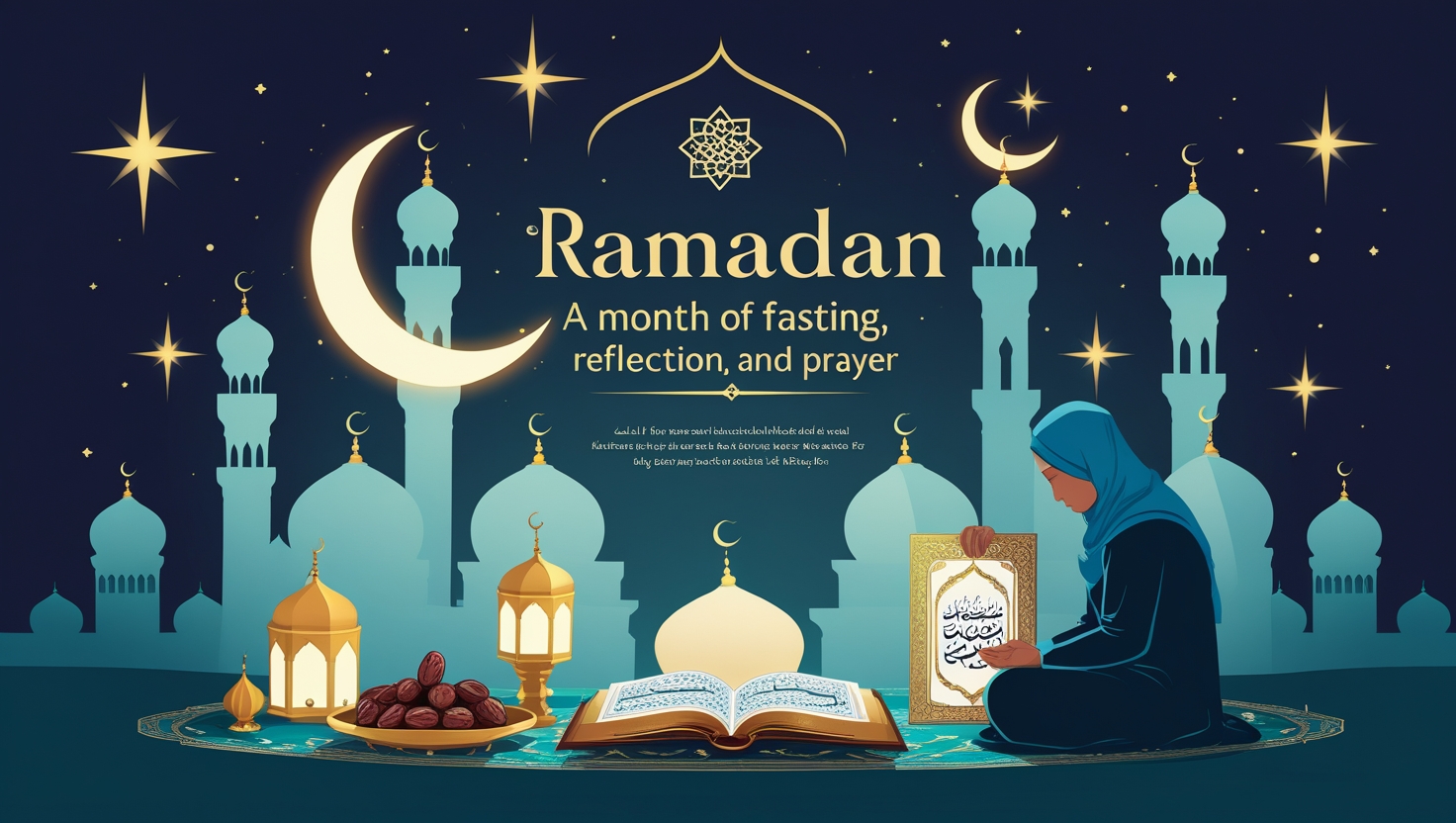
Ramadan (Ramzan) is the Islamic holy month of fasting observed by India’s roughly 200 million Muslims, who abstain from food and drink from dawn to sunset. The month of prayer, charity and community iftars culminates in Eid al-Fitr — one of India’s major public holidays, marked by congregational prayers and festive meals.
Quick facts: Ramadan
| What | Islamic month of dawn-to-dusk fasting (sawm) |
|---|---|
| When | 9th month of the Islamic lunar calendar (dates shift yearly) |
| Ends with | Eid al-Fitr — a national holiday in India |
| Signature foods | Dates, haleem, sheer khurma, biryani |
| Observed by | About 200 million Indian Muslims |
Significance of Ramadan
Ramadan is the month in which Muslims believe the Quran was first revealed. Fasting (sawm), one of the five pillars of Islam, cultivates self-discipline, empathy for the poor and spiritual reflection. Zakat (charity) intensifies during the month, and the last ten nights include Laylat al-Qadr, the holiest night of the year.
History & origins
Ramadan has been observed in the subcontinent since Islam’s arrival over a millennium ago. Indian traditions grew around it — from the Mughal courts’ iftar tables to the famous Ramzan food streets of Old Delhi, Hyderabad and Lucknow that thrive to this day.
How Ramadan is celebrated
Each day begins with the pre-dawn sehri meal and ends with iftar, traditionally opened with dates. Mosques hold special taraweeh prayers at night. India’s Ramzan food bazaars — around Delhi’s Jama Masjid, Hyderabad’s Charminar and Mumbai’s Mohammed Ali Road — serve haleem, kebabs and phirni. Eid al-Fitr begins with Eid namaz at mosques and idgahs, followed by new clothes, Eidi gifts for children and dishes like sheer khurma and biryani.
Regional variations
- Hyderabad: famous for haleem, prepared in bulk only during Ramzan.
- Old Delhi & Lucknow: historic iftar food streets and Mughlai specialities.
- Kerala & Tamil Nadu: distinctive dishes like nombu kanji (fasting porridge) shared at mosques.
Frequently asked questions about Ramadan
What is Ramadan?
Ramadan is the ninth month of the Islamic calendar, during which Muslims fast from dawn to sunset, pray, give charity and reflect spiritually. It commemorates the first revelation of the Quran.
What is the difference between Ramadan and Eid al-Fitr?
Ramadan is the month-long fast; Eid al-Fitr ("festival of breaking the fast") is the celebration on the first day of the following month, Shawwal, with congregational prayers and feasting.
What is sheer khurma?
Sheer khurma is a festive Eid dish of vermicelli cooked in milk with dates and dry fruits — the signature sweet of Eid al-Fitr across India.
Why do Ramadan dates change every year?
The Islamic calendar is lunar and about 11 days shorter than the solar year, so Ramadan begins roughly 11 days earlier each year, cycling through all seasons.